See the line again
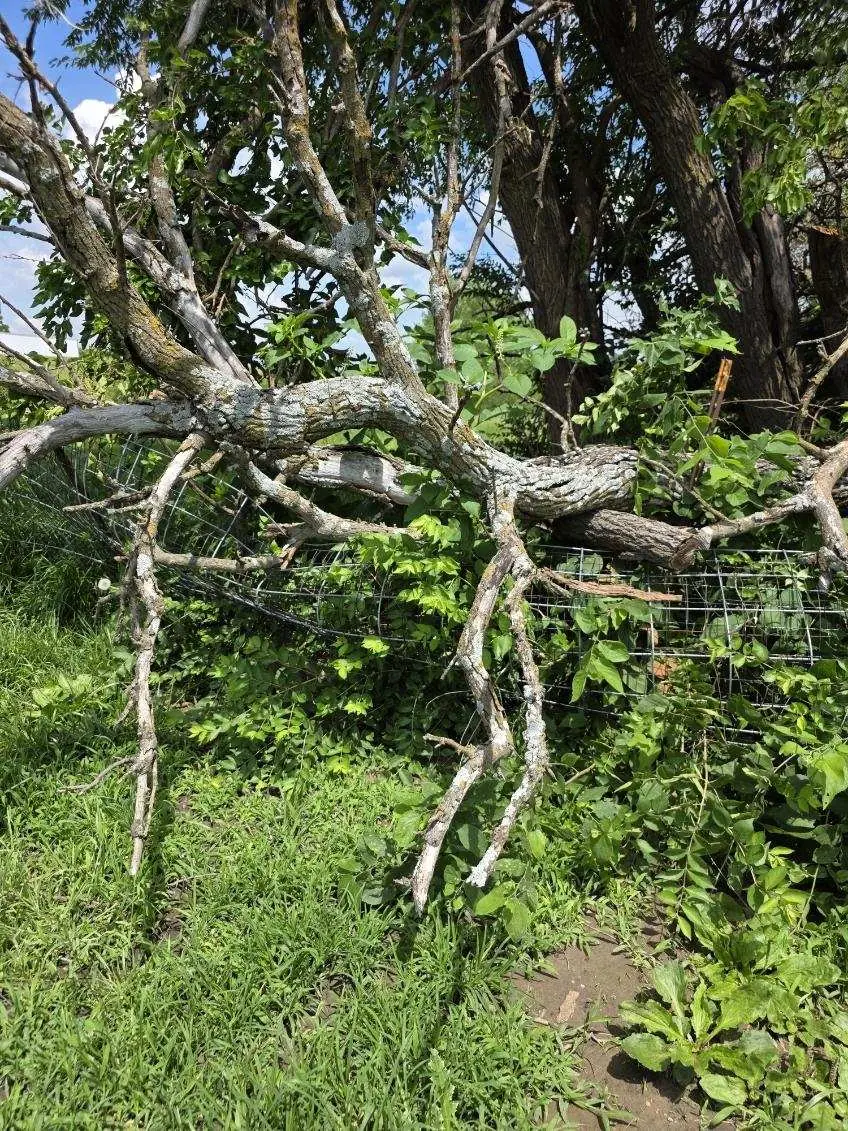
Removing vines and woody growth can restore access to fences, buildings, drives, and property edges.
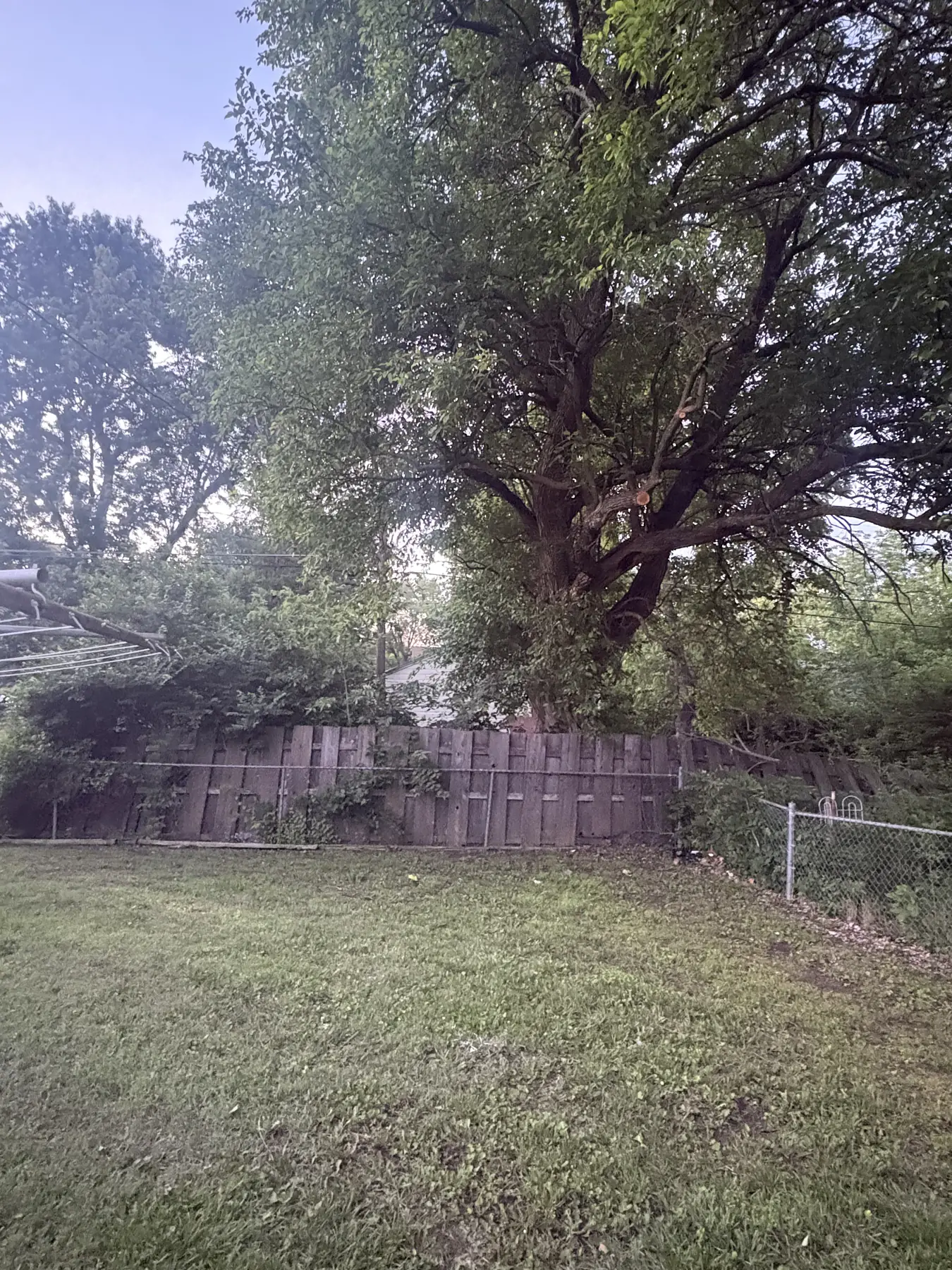
Dense brush, vines, volunteer trees, and unwanted growth can hide fences, narrow access, block sightlines, and make routine property care harder.
Vegetation control and removal targets unwanted brush, saplings, vines, low growth, and woody debris in a defined area. The work may be manual, mechanical, or a combination. Sedryck Tree Services plans the cut height, debris handling, access, and follow-up expectations around the site's next use.
This service can reopen fence lines, clear around outbuildings, restore trails and drives, expose property features, reduce mowing obstacles, and prepare an area for landscaping or recurring maintenance. Cutting alone may not permanently control species that resprout from roots or stumps.
Removing vines and woody growth can restore access to fences, buildings, drives, and property edges.
Hand work protects tight areas; machinery is useful where density, acreage, and access justify it.
Some vegetation needs stump work, repeat cutting, mowing, or a separate control plan after initial removal.
Every property is different. Your estimate should identify the exact tree or area, access, method, equipment, debris handling, stump work, exclusions, and finished condition.
Discuss My ProjectSedryck uses calls, texts, photos, and FaceTime when helpful, then confirms whether an on-site review is needed before the work is scheduled.
Sedryck confirms what should be exposed, what remains, how low to cut, and where debris should go.
Hidden obstacles are exposed progressively, then hand or mechanical tools handle the vegetation.
The finished area is reviewed for stumps, roots, recurring vines, mowing access, and future maintenance.
Fence lines and property edges · Overgrown drives and trails · Brush around structures · Volunteer-tree and vine removal
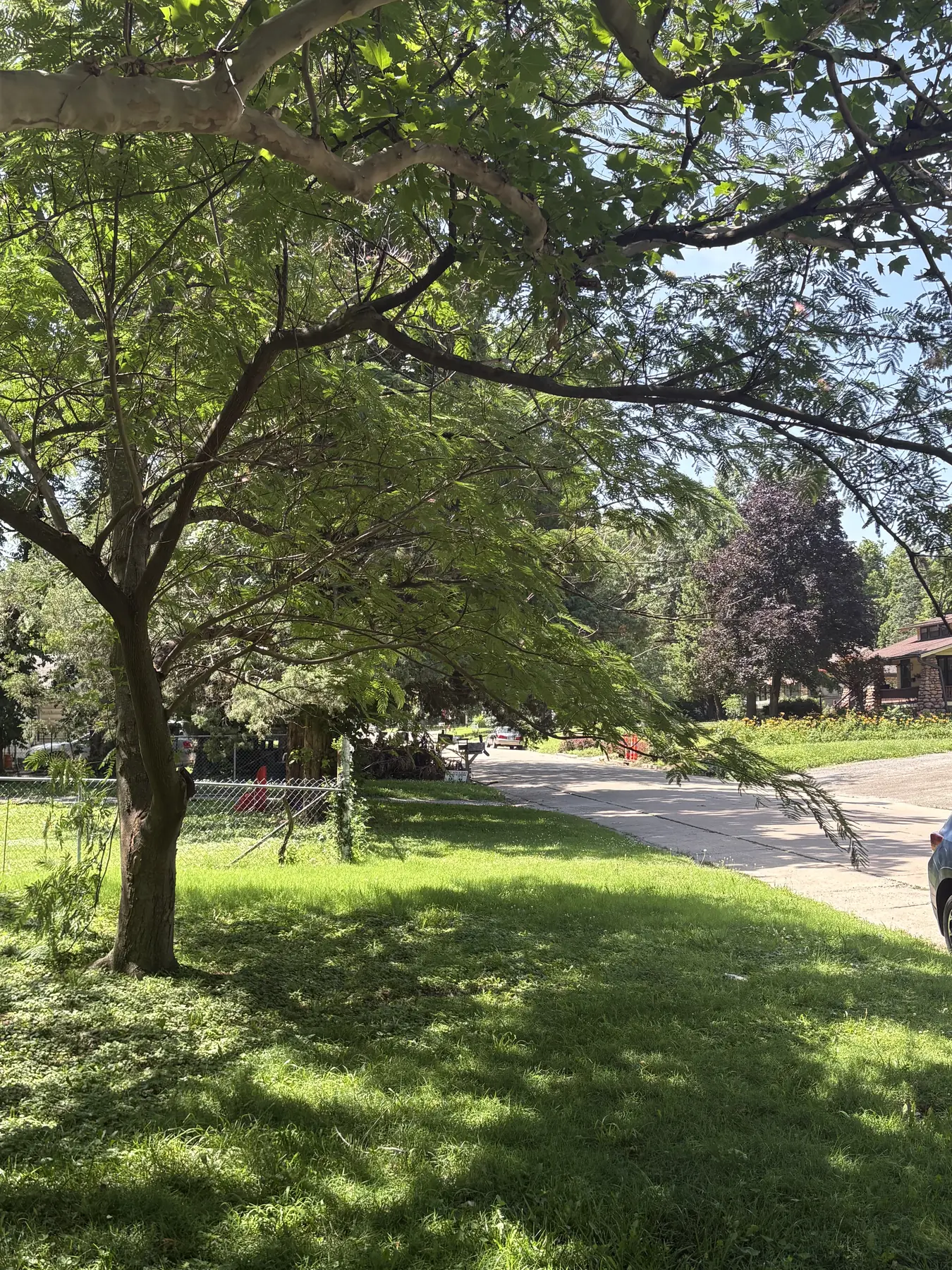
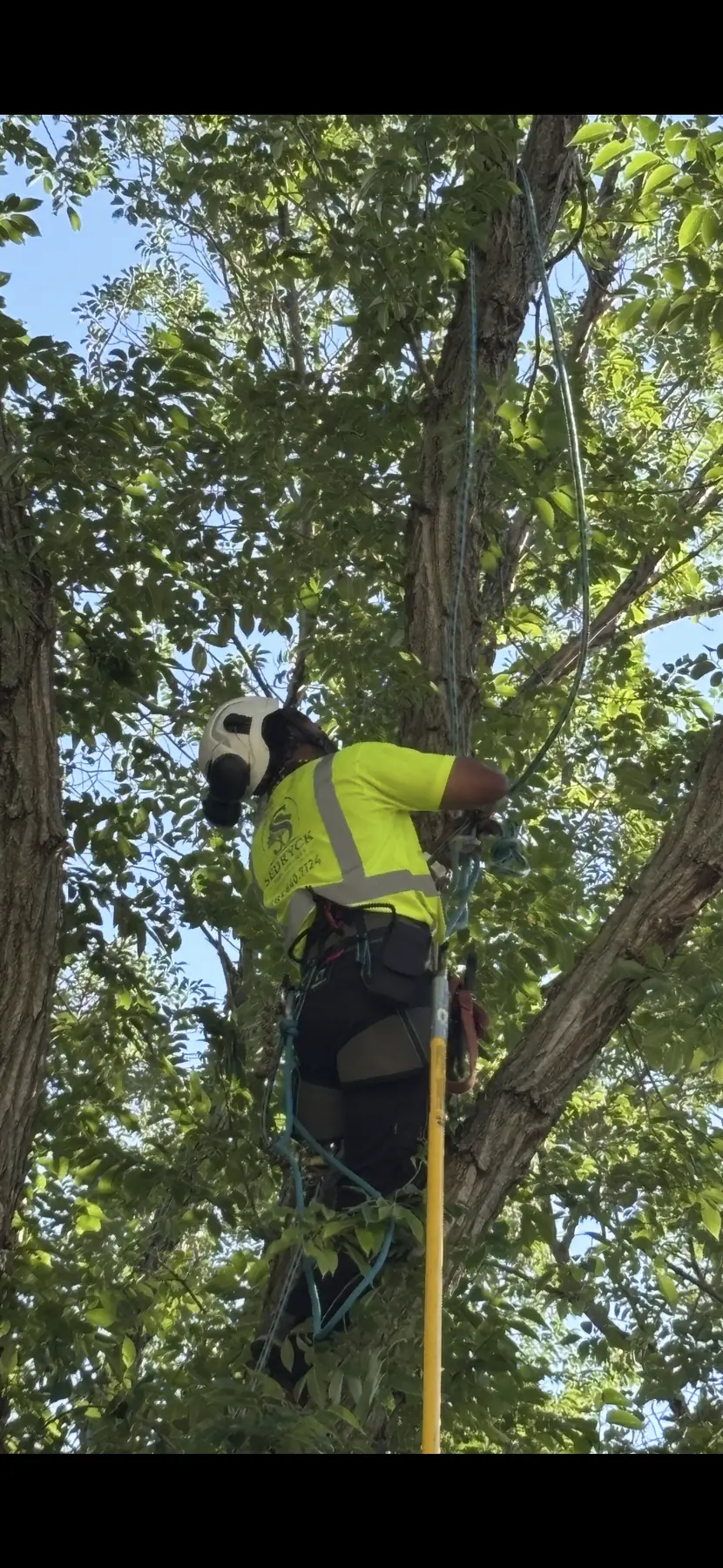
Ask what your property needs →These business-supplied photos show relevant tools, access, conditions, or work stages. Captions do not invent customer locations or project outcomes.
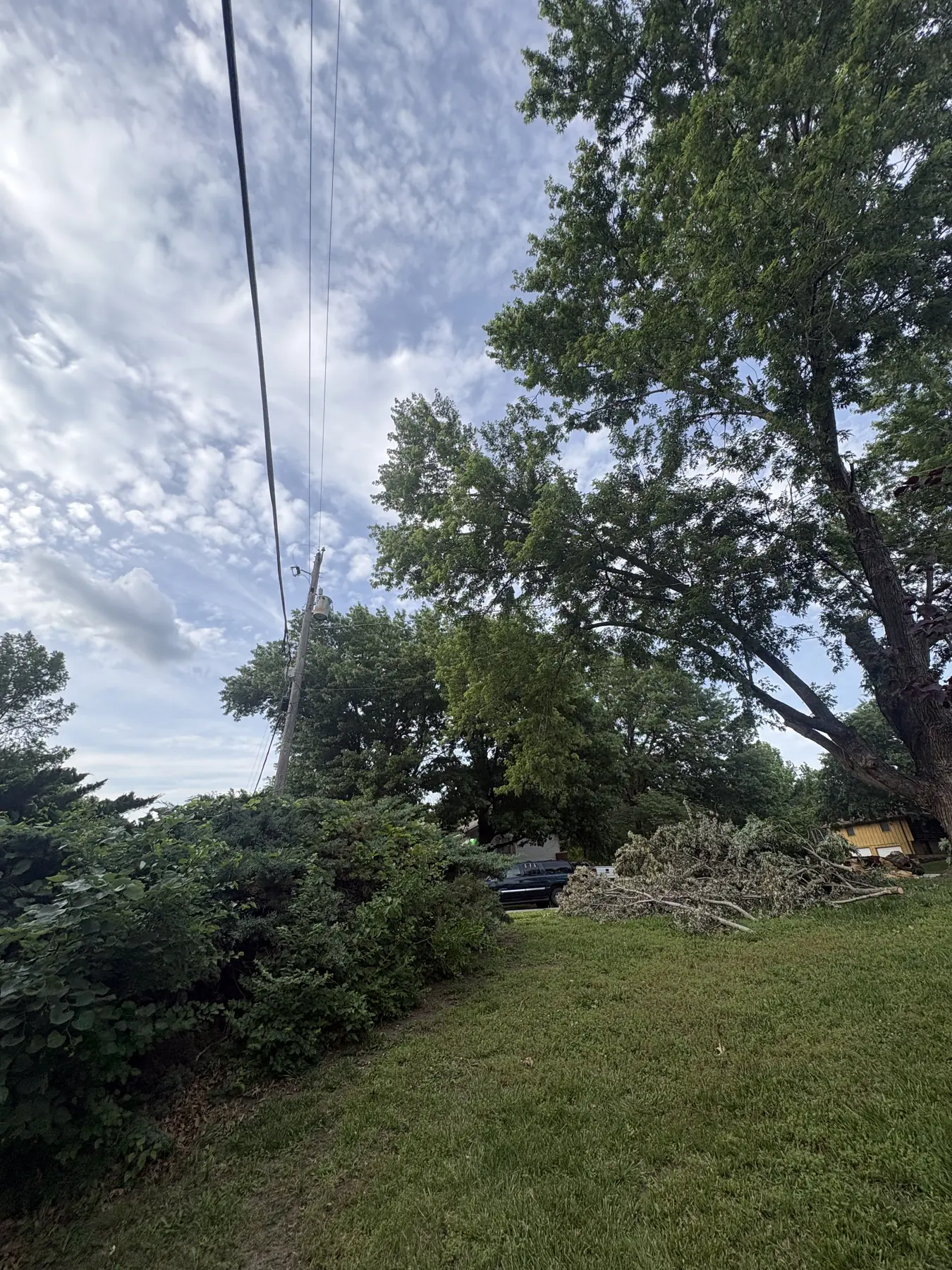
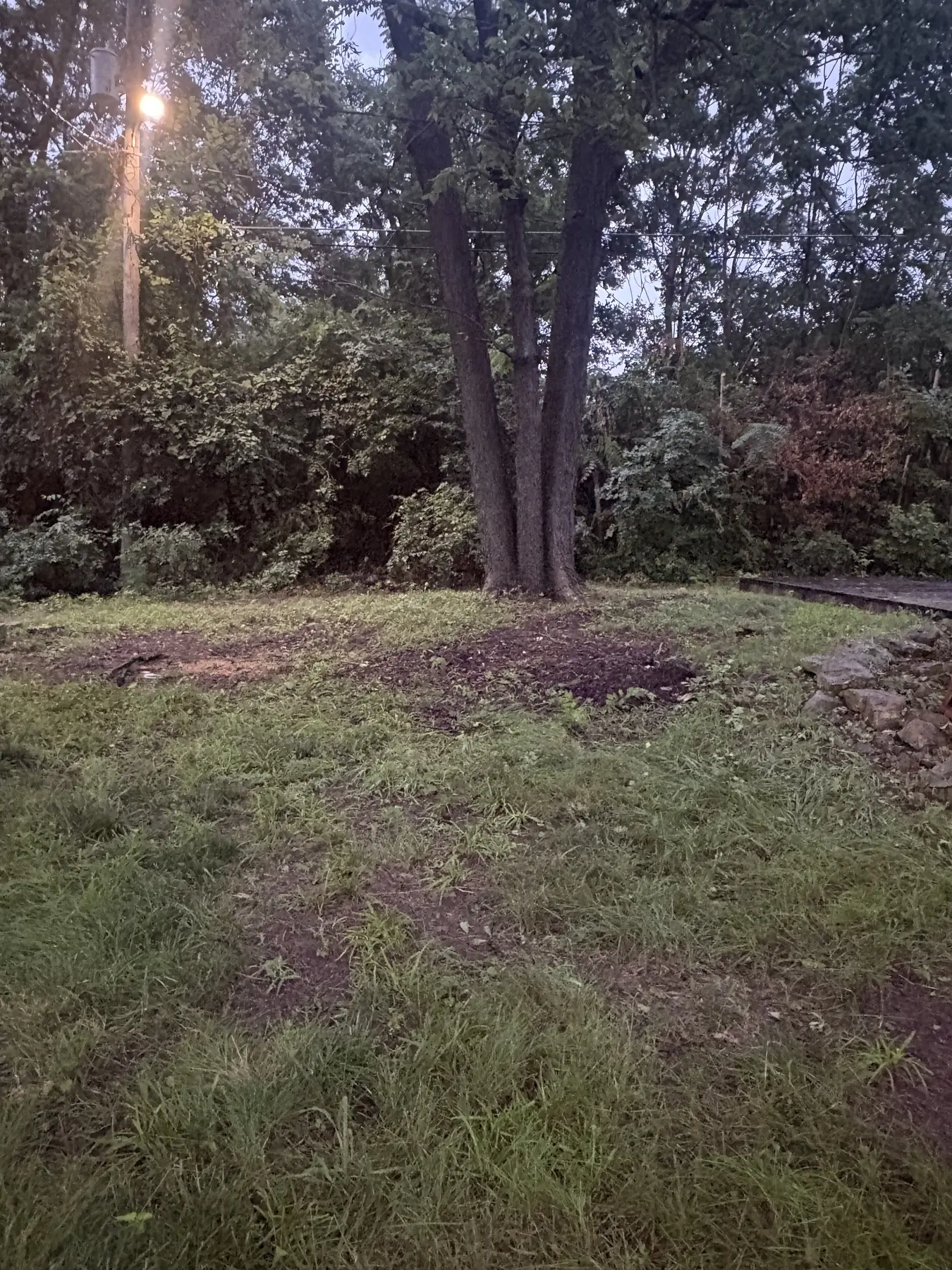
Kansas growing seasons can produce fast regrowth, especially where sunlight reaches disturbed ground. Poison ivy, thorny species, hidden wire, rocks, uneven soil, and wildlife habitat require a careful first pass. Any herbicide work must be separately discussed and performed only when lawful, appropriate, and explicitly included.
Serving Topeka and the listed Kansas communities. Regional availability is confirmed by address, urgency, equipment needs, and project scope.
Clear scope matters more than a generic promise. Ask about the tree, access, equipment, debris, stump, timeline, and next use of the area.
Vegetation work is usually more targeted and may focus on brush, vines, saplings, and access. Land clearing often includes larger areas, more trees, stump work, and a construction or site-preparation goal.
Some species resprout after cutting. Long-term control may require repeat cutting, mowing, stump work, or a separate species-appropriate treatment plan.
No blanket herbicide claim is made. If chemical control is appropriate, the exact product, target plant, legal requirements, application responsibility, and property protections must be discussed separately.
Often, yes, but embedded wire, roots, fence condition, and access affect the method and pace. A site review helps determine whether the fence can remain in place during the work.
Call, text, send photos, or use the quote form. Sedryck will confirm the next useful step and whether an on-site review is needed.