Define what stays
Retained trees, fence lines, buffers, drives, and no-go areas are identified before clearing starts.
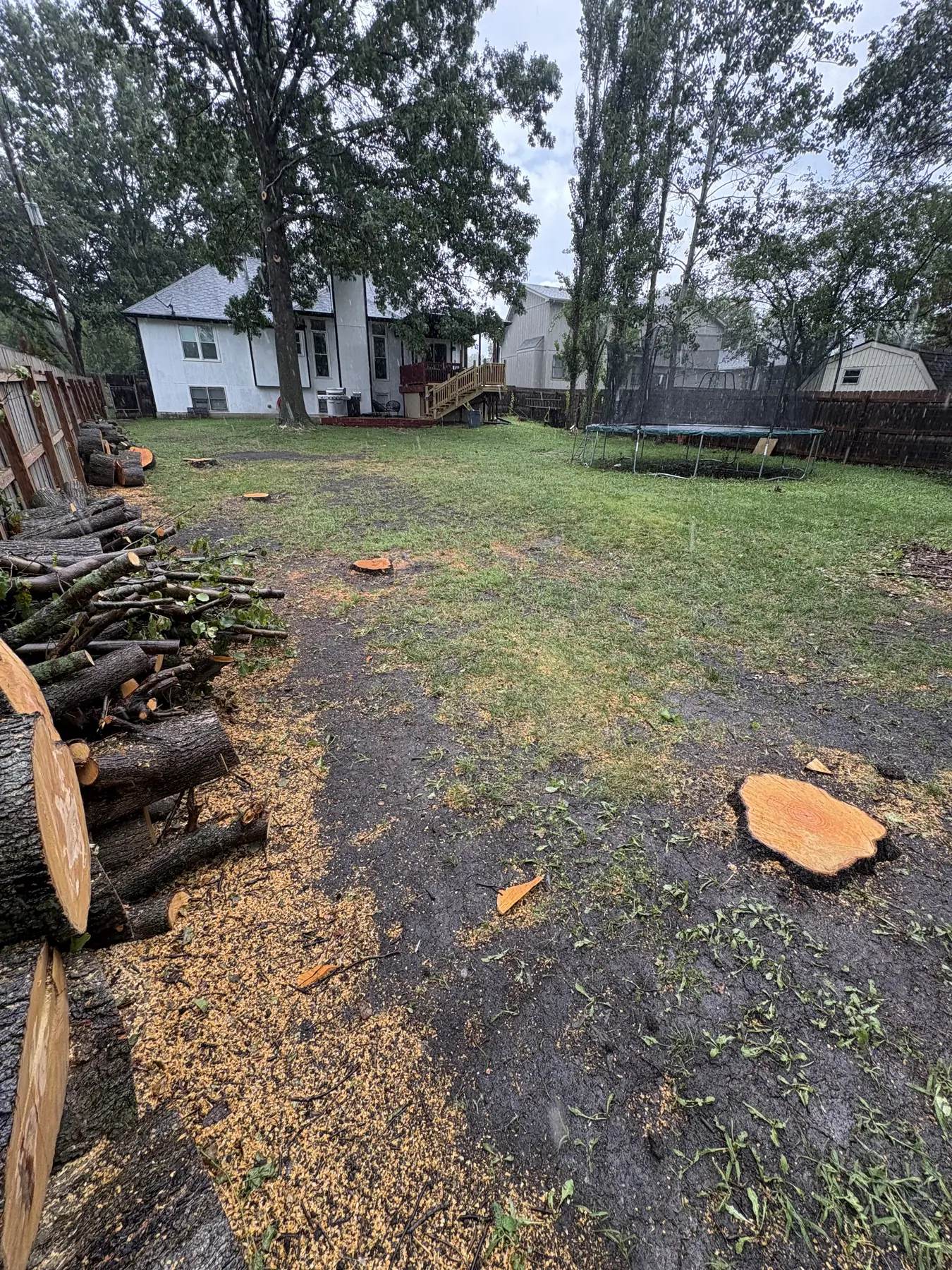
Land clearing can combine small-tree removal, brush cutting, vegetation removal, stump work, debris handling, and rough access improvement into one coordinated scope.
Land clearing prepares a defined area for construction, fencing, mowing, access, pasture, landscaping, or property recovery. Sedryck Tree Services walks the boundaries, identifies what stays, discusses utilities and ground conditions, and matches machines and manual work to the terrain and desired finish.
Clearing can reclaim overgrown lots, open fence lines, create equipment access, remove unwanted volunteer trees, prepare a building area, and reduce dense debris. It should not begin until property lines, protected areas, utilities, drainage, and retained trees are clearly understood.
Retained trees, fence lines, buffers, drives, and no-go areas are identified before clearing starts.
Tree cutting, brush removal, stump work, and debris handling can be sequenced as one project.
Rough clearing, mowable finish, hauling, grading, and seeding are different scopes and should be priced clearly.
Every property is different. Your estimate should identify the exact tree or area, access, method, equipment, debris handling, stump work, exclusions, and finished condition.
Discuss My ProjectSedryck uses calls, texts, photos, and FaceTime when helpful, then confirms whether an on-site review is needed before the work is scheduled.
You identify property limits, retained trees, utilities, structures, drainage, and the intended future use.
Access is opened first, then vegetation, trees, stumps, and debris are handled with suitable equipment.
Sedryck compares the result with the agreed clearing level and identifies any separate grading or restoration work.
Building and fence preparation · Overgrown lots and acreages · Drive and equipment access · Selective woodland-edge clearing
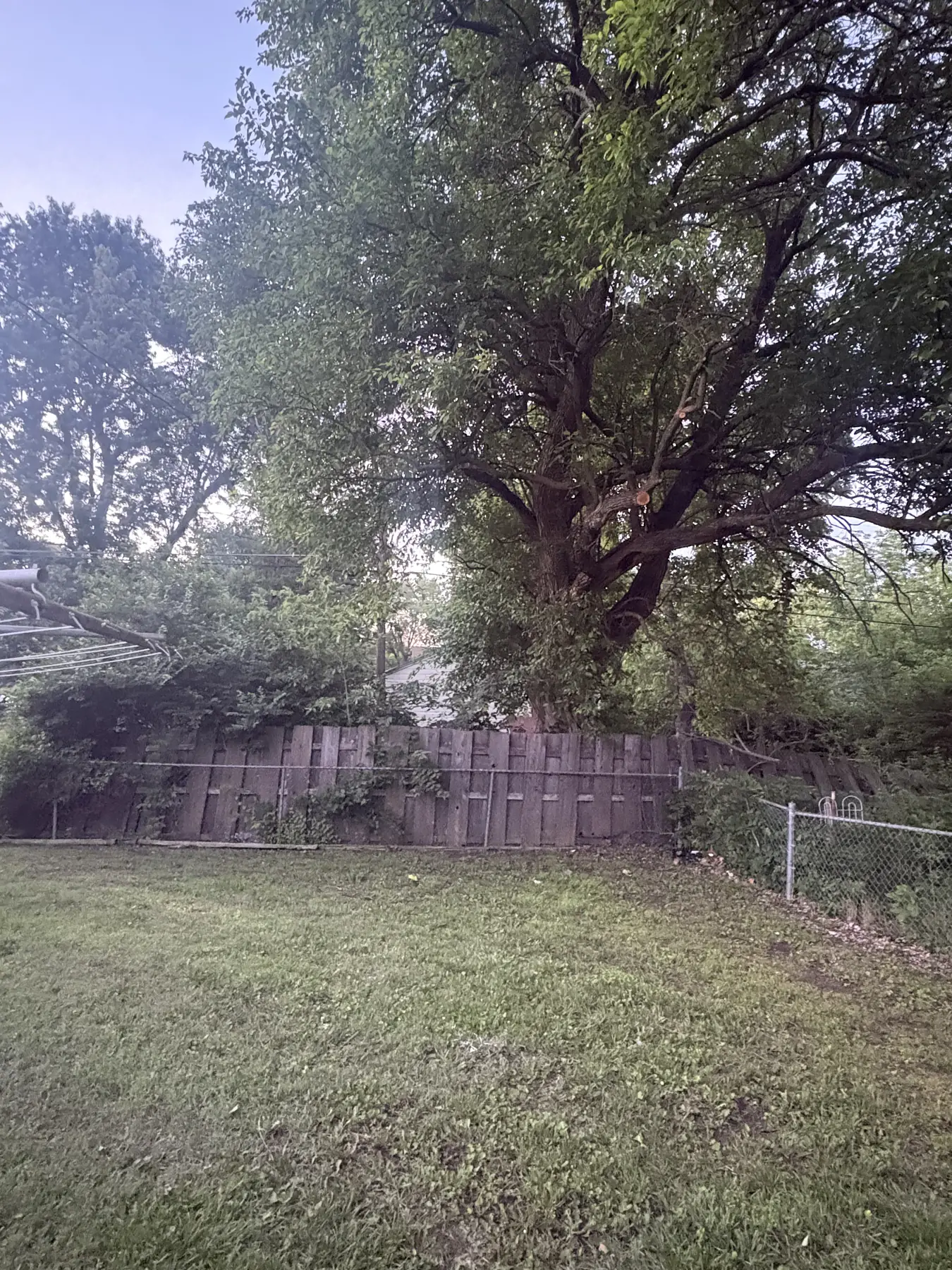
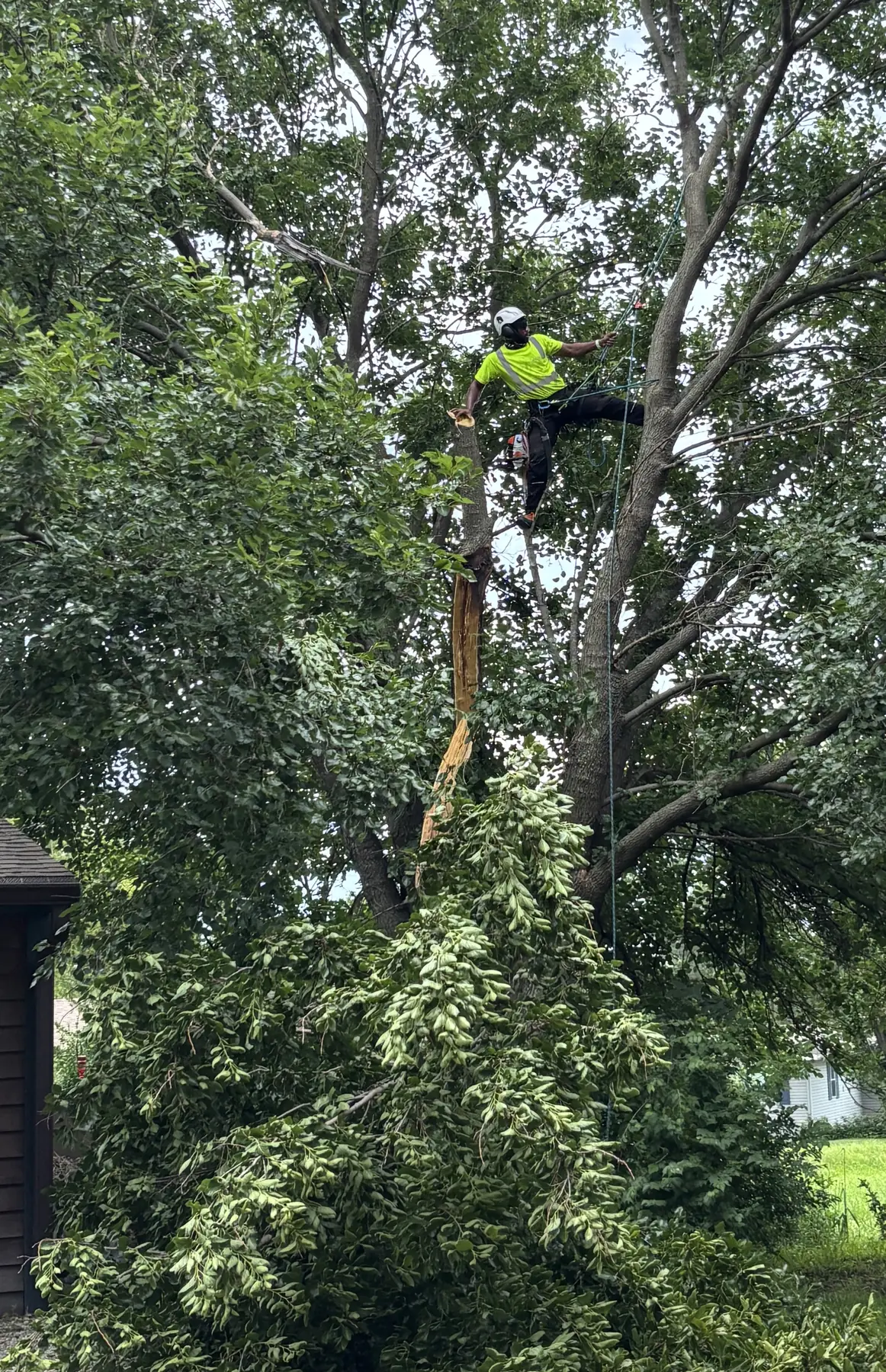
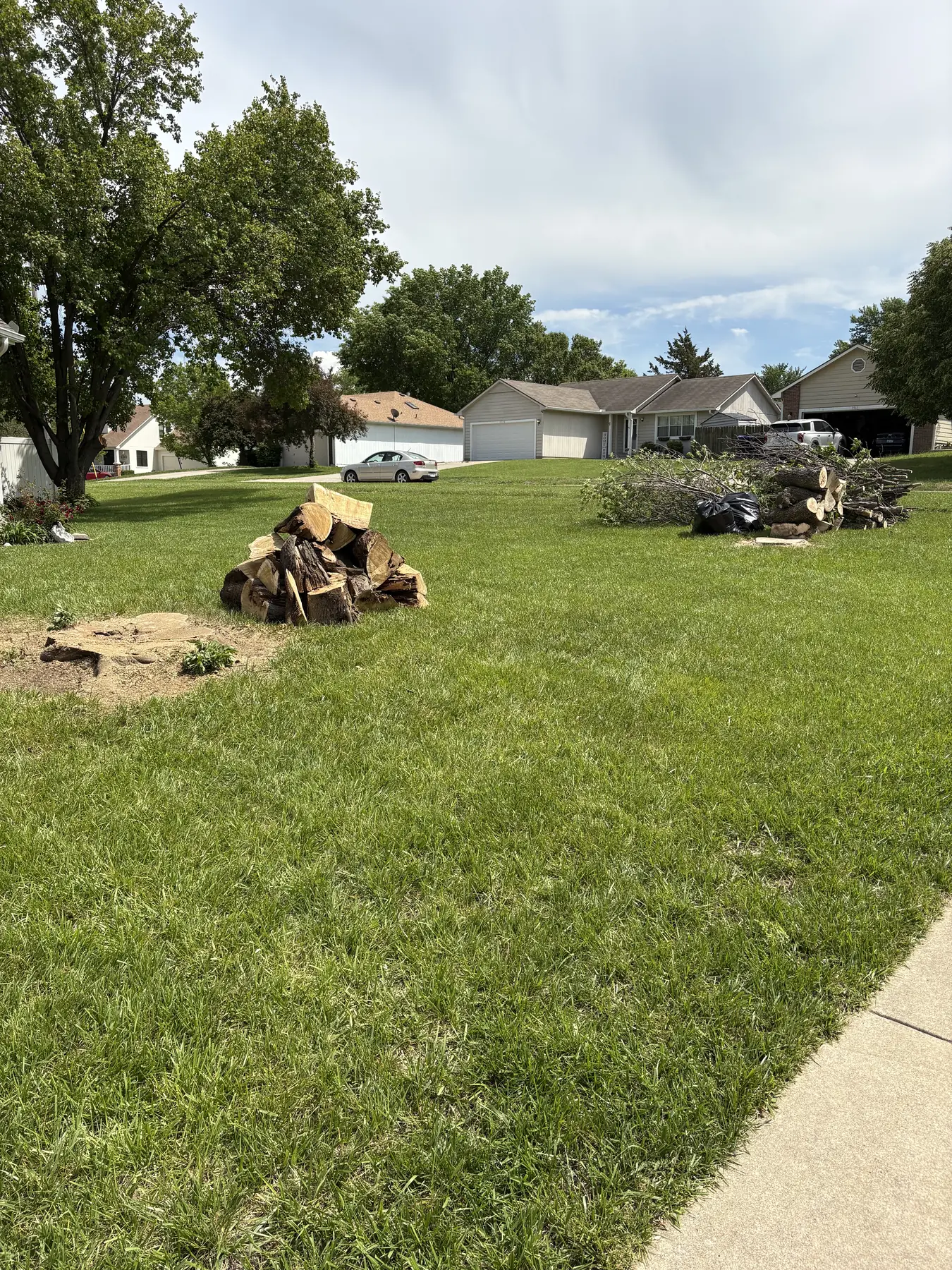
Ask what your property needs →These business-supplied photos show relevant tools, access, conditions, or work stages. Captions do not invent customer locations or project outcomes.
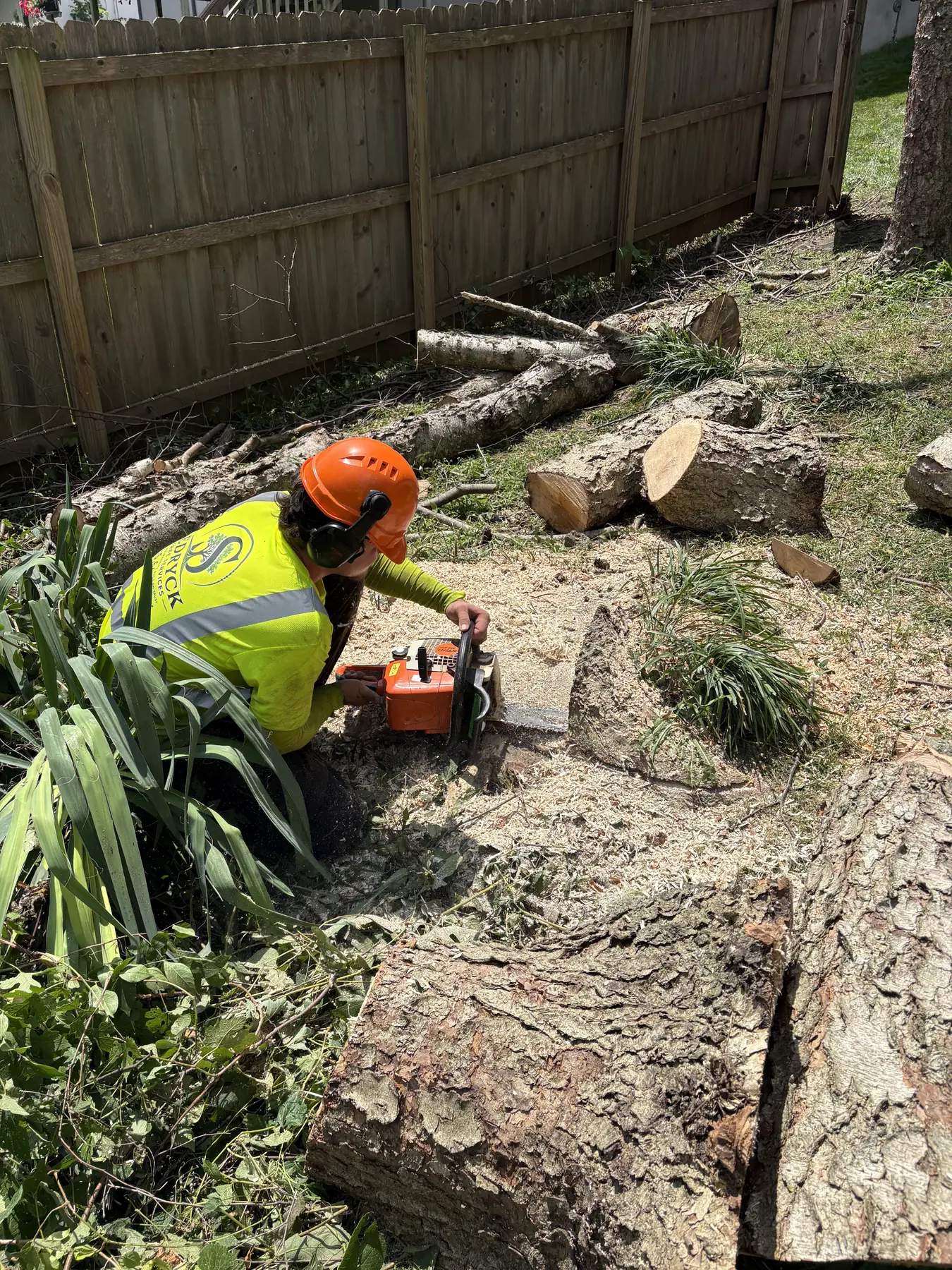
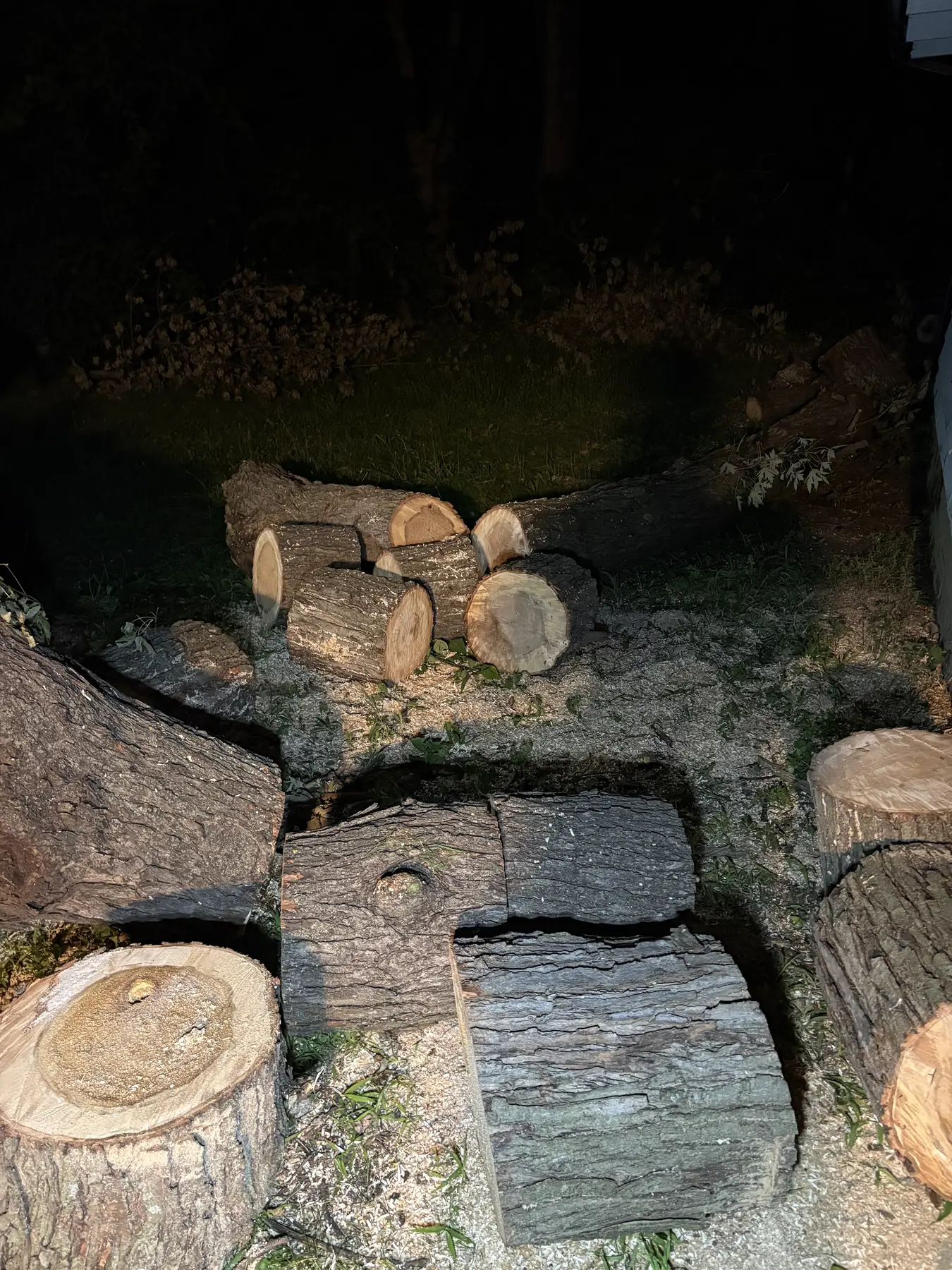
Eastern Kansas lots can shift from wet, soft soil to dry, hard ground, affecting traction and disturbance. Mature trees worth keeping need a protection zone around trunks and roots. Slopes, culverts, septic systems, wells, fences, and overhead lines should be marked before machinery enters.
Serving Topeka and the listed Kansas communities. Regional availability is confirmed by address, urgency, equipment needs, and project scope.
Clear scope matters more than a generic promise. Ask about the tree, access, equipment, debris, stump, timeline, and next use of the area.
The scope may include brush, small trees, selected larger trees, stumps, vines, debris, hauling, or rough access work. The estimate should map the area and state exactly what is retained and removed.
Yes. Selective clearing starts by marking the trees and buffers that remain. Equipment routes and work zones can then be planned to reduce unnecessary impact.
Rough cleanup may be included, but finish grading, topsoil, erosion control, and seeding are separate tasks unless written into the scope.
Area, density, tree size, slope, ground conditions, access, stumps, disposal method, and final finish all matter. Photos and acreage are helpful, but a site visit is usually best for a reliable scope.
Call, text, send photos, or use the quote form. Sedryck will confirm the next useful step and whether an on-site review is needed.