Identify the consequence zone
The plan begins with what could be struck and where people, equipment, and property must stay.
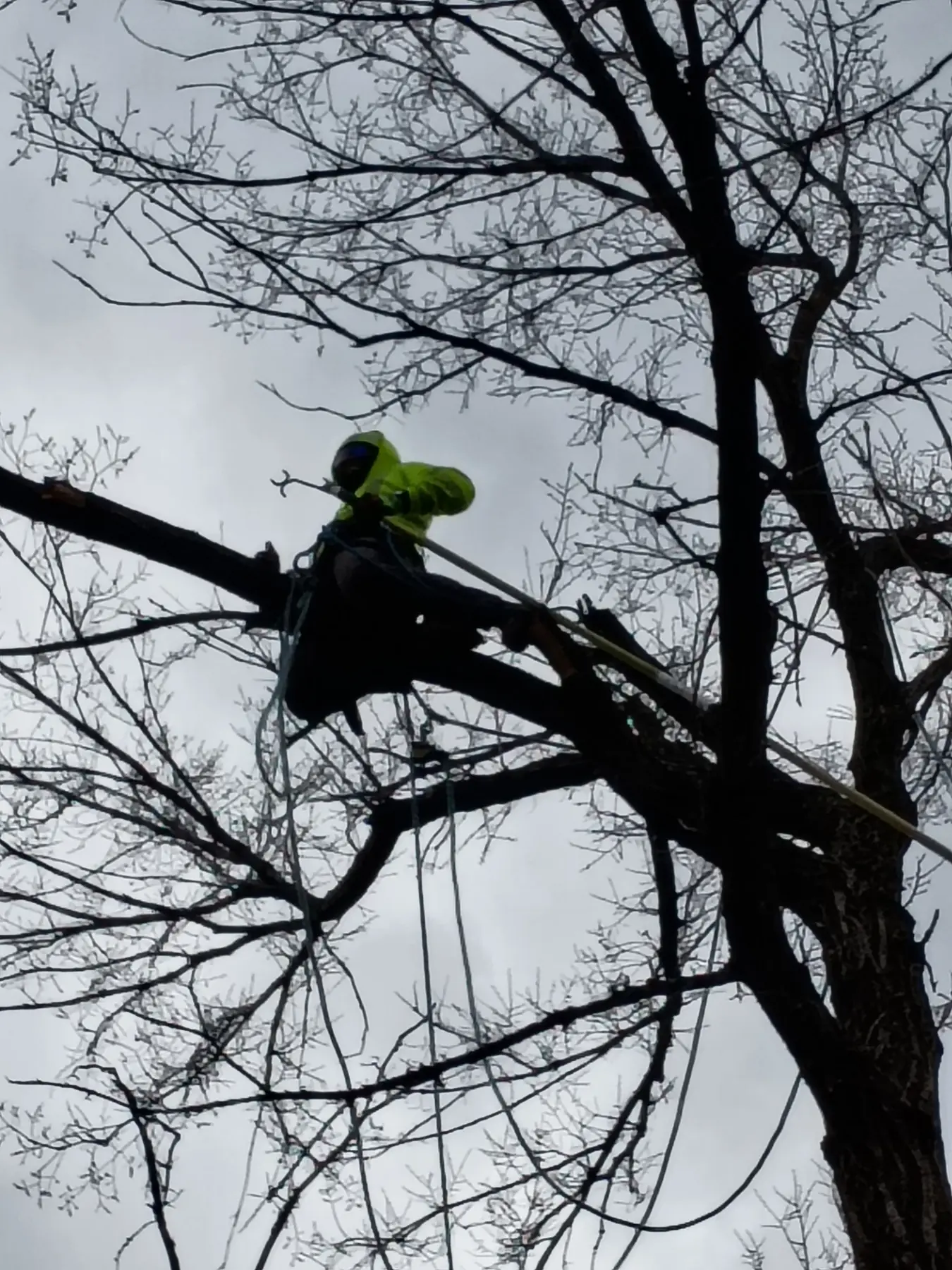
A hazardous tree is not defined by size alone. Lean, cracks, decay, root movement, deadwood, storm damage, targets, and the likelihood of people entering the area all shape the risk.
Hazardous tree and branch removal focuses on work where failure could affect a home, drive, road, fence, utility, or occupied area. Sedryck reviews visible defects and targets, sets an exclusion zone, and chooses rigging, access, and removal sequence around the consequences of uncontrolled movement.
This service addresses trees with severe lean or recent movement, cracked unions, dead tops, suspended branches, repeated failures, compromised roots, or damage close to valuable targets. Not every defect means immediate removal, and a formal written tree-risk assessment may require a credentialed arborist outside the scope of ordinary removal estimating.
The plan begins with what could be struck and where people, equipment, and property must stay.
Limbs and wood are removed in an order that manages balance, lean, rigging forces, and access.
Utilities, emergency responders, structural professionals, or credentialed assessors may need to act before or alongside tree work.
Every property is different. Your estimate should identify the exact tree or area, access, method, equipment, debris handling, stump work, exclusions, and finished condition.
Discuss My ProjectSedryck uses calls, texts, photos, and FaceTime when helpful, then confirms whether an on-site review is needed before the work is scheduled.
New lean, cracking sounds, soil lifting, hanging wood, storm timing, and target use all help establish urgency.
The crew sets exclusion areas and removes sections in a sequence designed for the tree and targets.
As weight comes off, the remaining tree, rigging, and next cut are checked before work continues.
Leaning or recently shifted trees · Cracked trunks and major unions · Dead tops and suspended limbs · Trees close to high-value targets
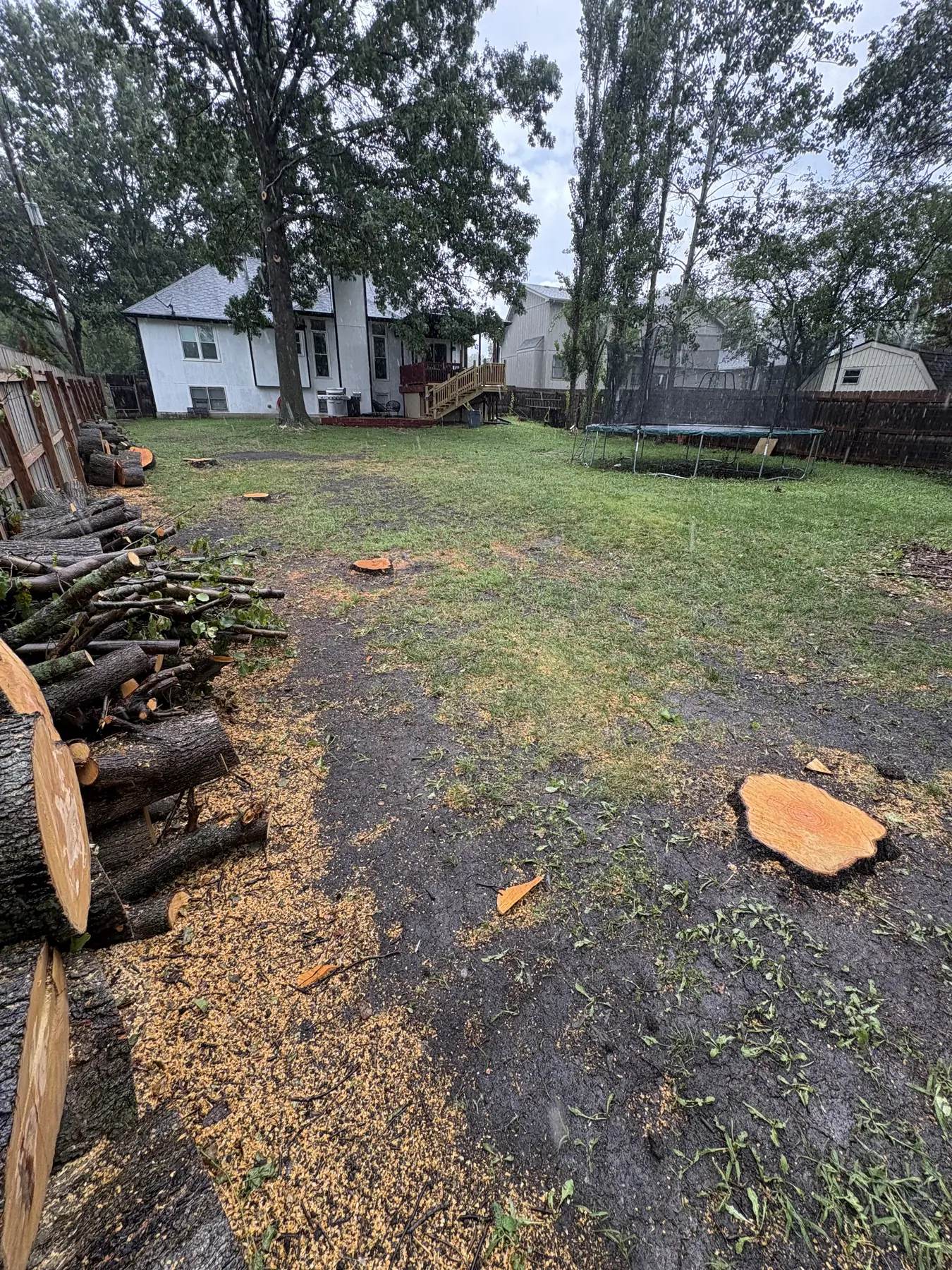
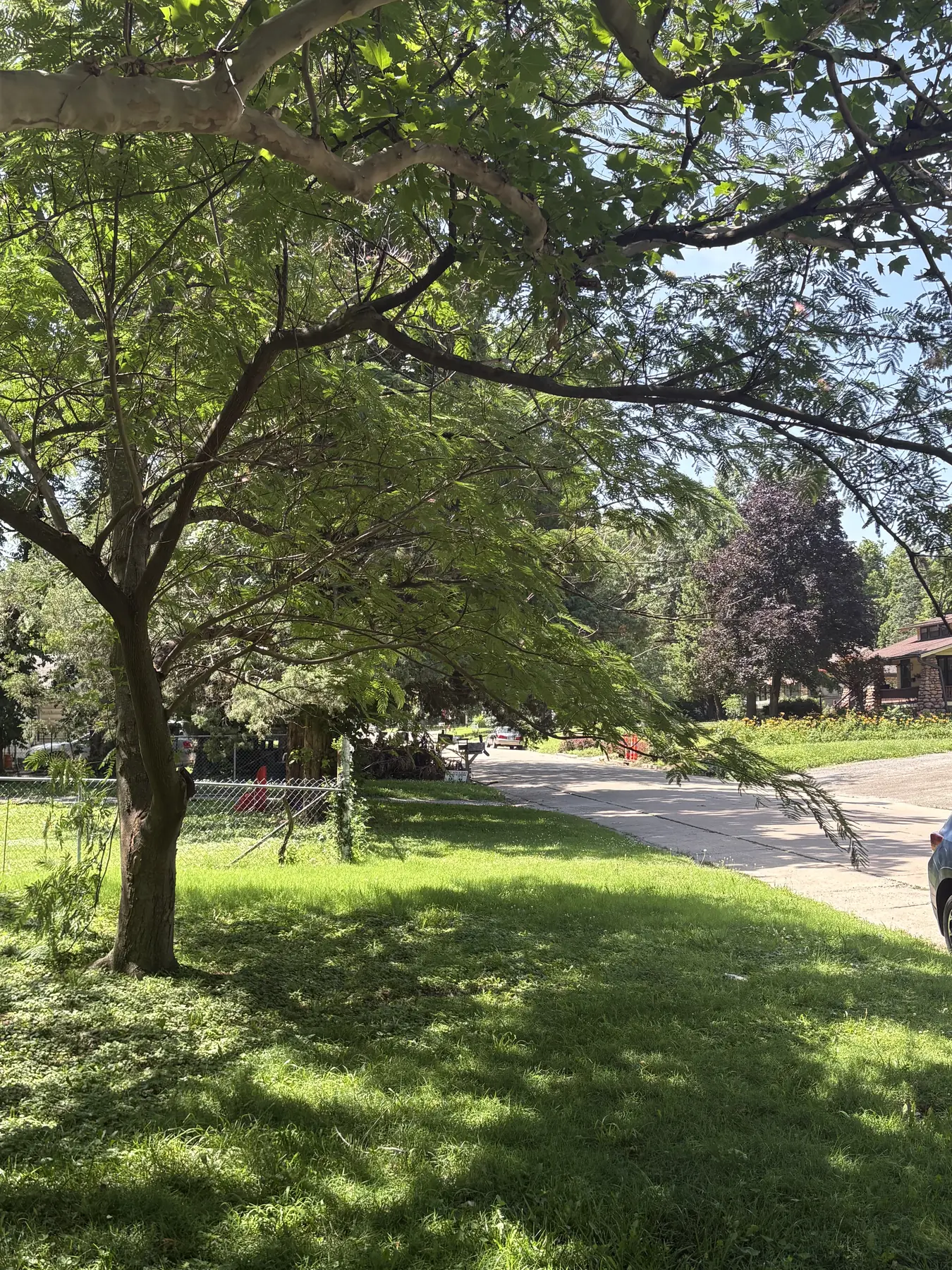
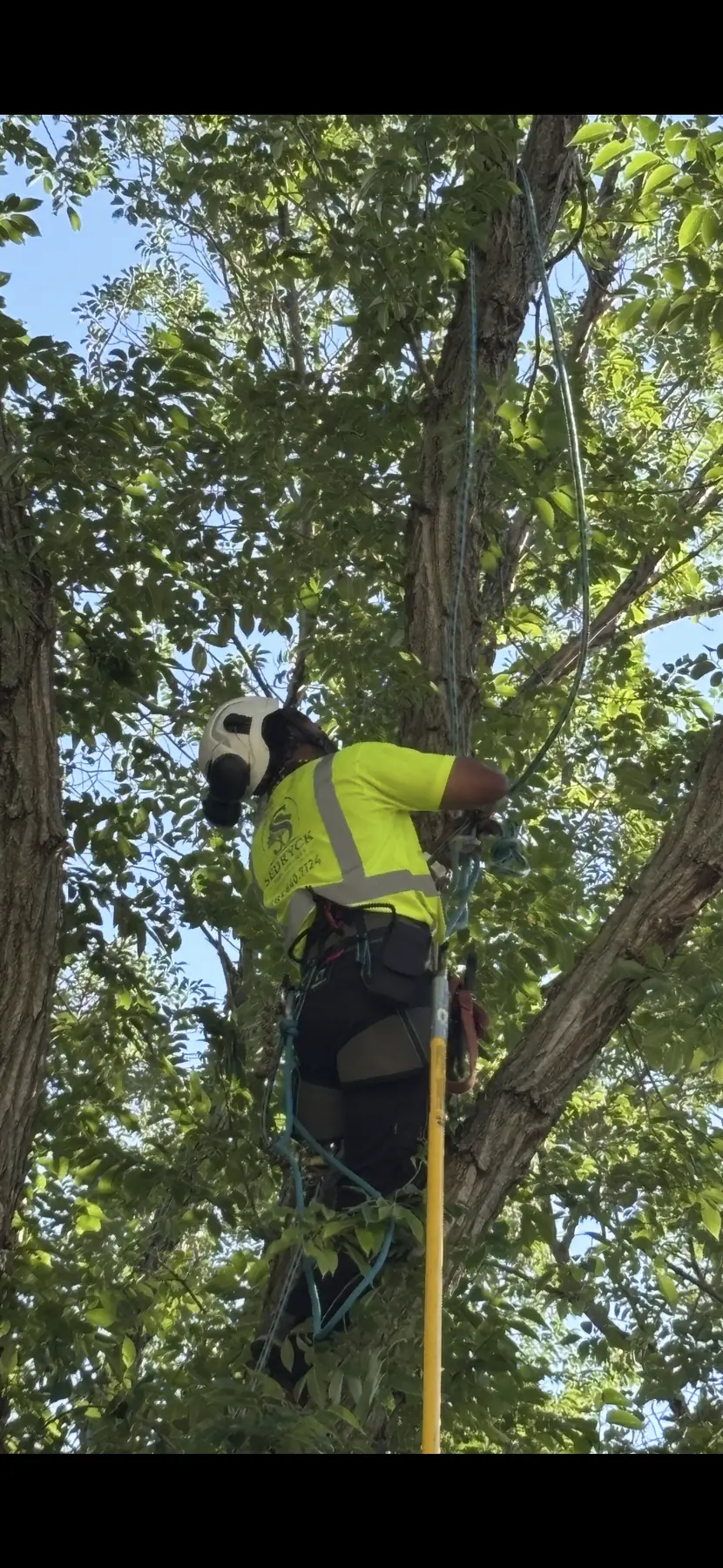
Ask what your property needs →These business-supplied photos show relevant tools, access, conditions, or work stages. Captions do not invent customer locations or project outcomes.
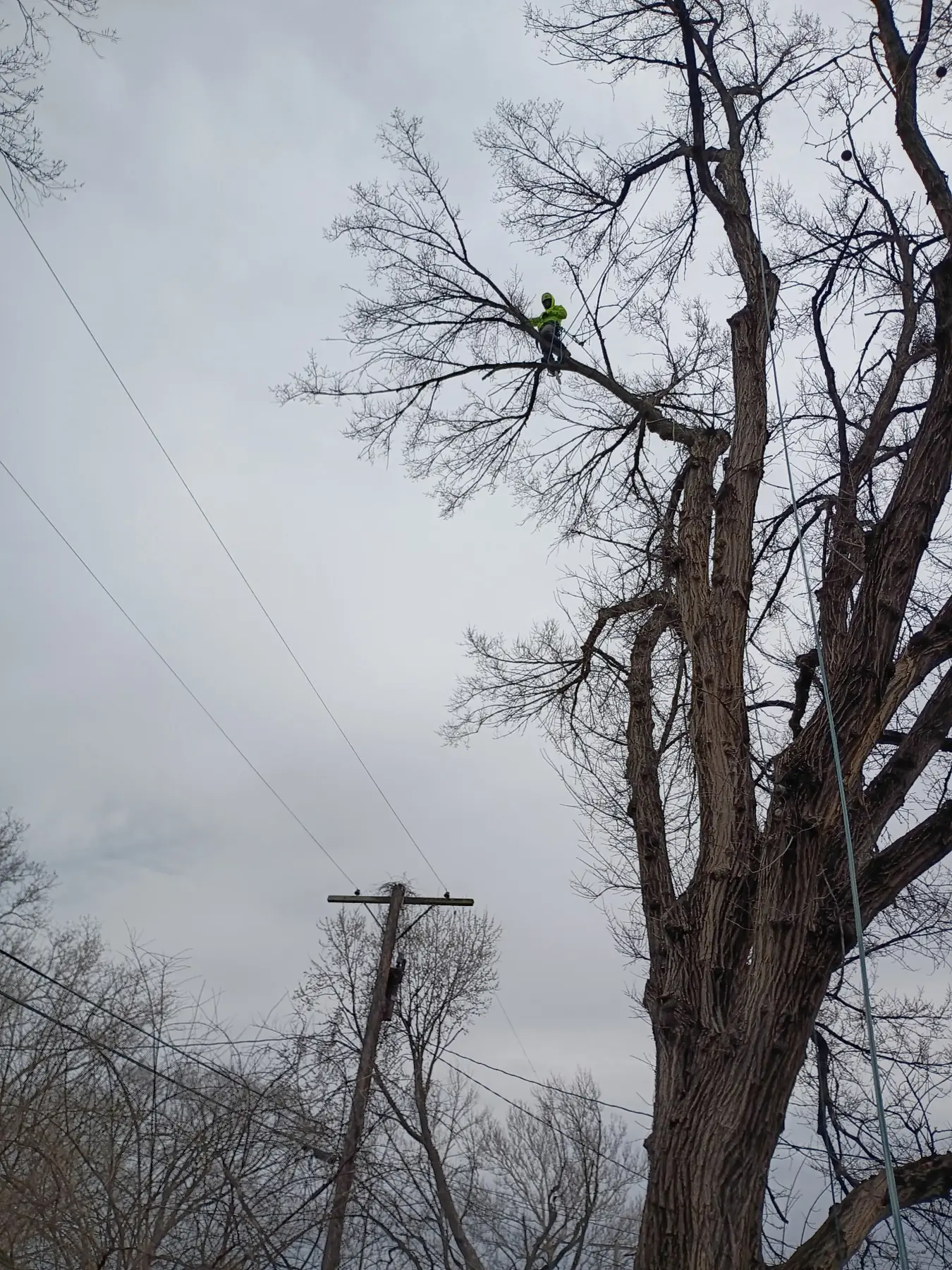
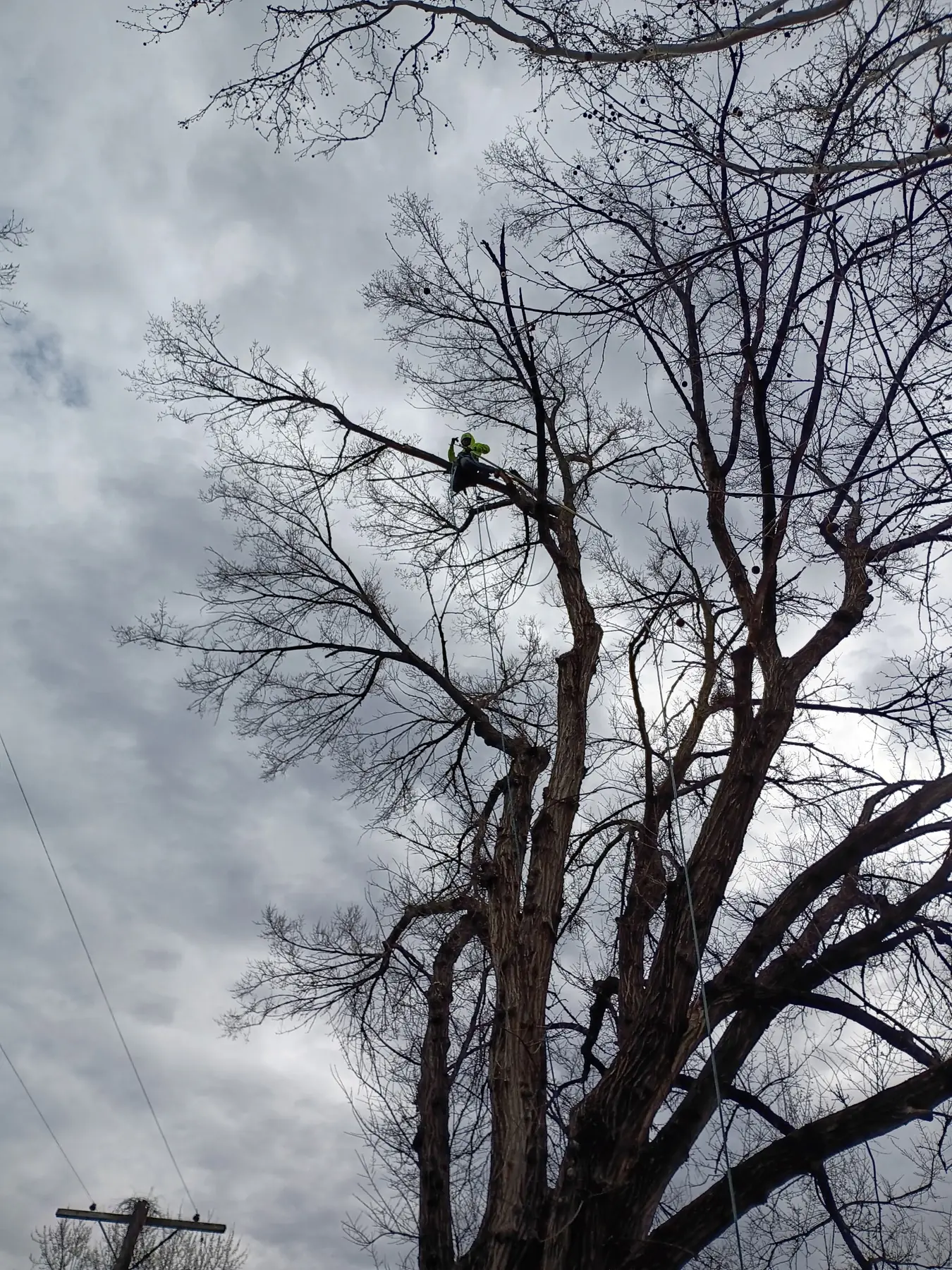
Wind and ice can turn old cracks or overextended limbs into urgent problems. Electrical lines change the work completely: trees touching or within unsafe distance of energized conductors require the electric utility or a properly qualified line-clearance provider. Sedryck does not present ordinary tree work as utility line-clearance certification.
Serving Topeka and the listed Kansas communities. Regional availability is confirmed by address, urgency, equipment needs, and project scope.
Clear scope matters more than a generic promise. Ask about the tree, access, equipment, debris, stump, timeline, and next use of the area.
Warning signs can include new lean, soil lifting, trunk cracks, split unions, large dead branches, hanging limbs, cavities, or recent failure. Avoid the area and request an inspection; a photo alone may not show the full condition.
No certification is claimed on this website. Sedryck can inspect work conditions and discuss tree-service options; if you need a formal risk report, diagnosis, or certified opinion, ask about the appropriate credentialed resource.
Branches contacting or within unsafe distance of energized lines require utility coordination and may require qualified line-clearance arborists. Stay away and call the utility first when a tree or branch is on a line.
It can. Rigging, restricted access, dead or compromised wood, extra crew or equipment, targets, urgency, and disposal volume can increase time and complexity. The estimate should explain the scope behind the price.
Call, text, send photos, or use the quote form. Sedryck will confirm the next useful step and whether an on-site review is needed.