Prioritize visible concerns
Deadwood over a patio may deserve attention before a cosmetic shape issue away from use areas.
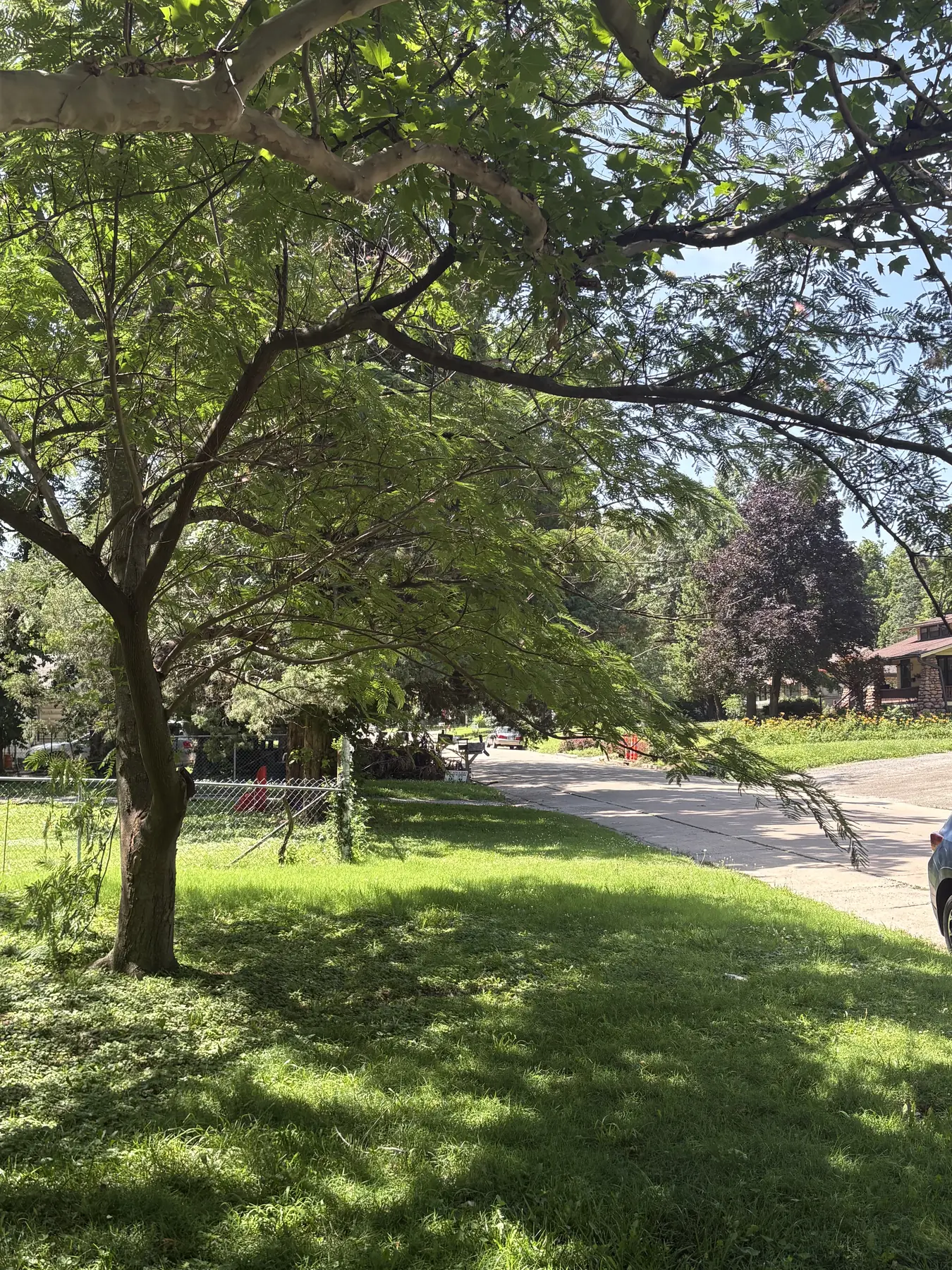
Routine tree care starts with observation: changes in lean, dead branches, rubbing limbs, root-zone damage, storm wounds, clearance, and the way people use the space below.
Tree maintenance brings together periodic visual review, selective pruning, deadwood removal, clearance work, storm follow-up, and practical property planning. Sedryck Tree Services helps owners prioritize what needs action, what can be monitored, and which concerns call for a credentialed diagnostic or risk-assessment specialist.
Maintenance can address recurring roof contact, dead branches, blocked access, poor clearance, storm-damaged limbs, volunteer growth, and buildup of woody debris. It also creates a record of what has changed so new cracks, lean, decay, or canopy decline are easier to recognize.
Deadwood over a patio may deserve attention before a cosmetic shape issue away from use areas.
One plan can coordinate pruning, branch removal, stump work, vegetation cleanup, and monitoring.
Formal diagnosis, treatment prescriptions, or written risk ratings may require a credentialed specialist.
Every property is different. Your estimate should identify the exact tree or area, access, method, equipment, debris handling, stump work, exclusions, and finished condition.
Discuss My ProjectSedryck uses calls, texts, photos, and FaceTime when helpful, then confirms whether an on-site review is needed before the work is scheduled.
Sedryck listens to concerns and reviews the trees, targets, access, recent changes, and prior work.
Urgent hazards, practical clearance, routine maintenance, and monitor-only items are separated.
Approved work is performed to scope, with future observations or follow-up timing discussed clearly.
Mature residential shade trees · Multi-tree properties · Annual or post-storm checkups · Owners planning phased tree work
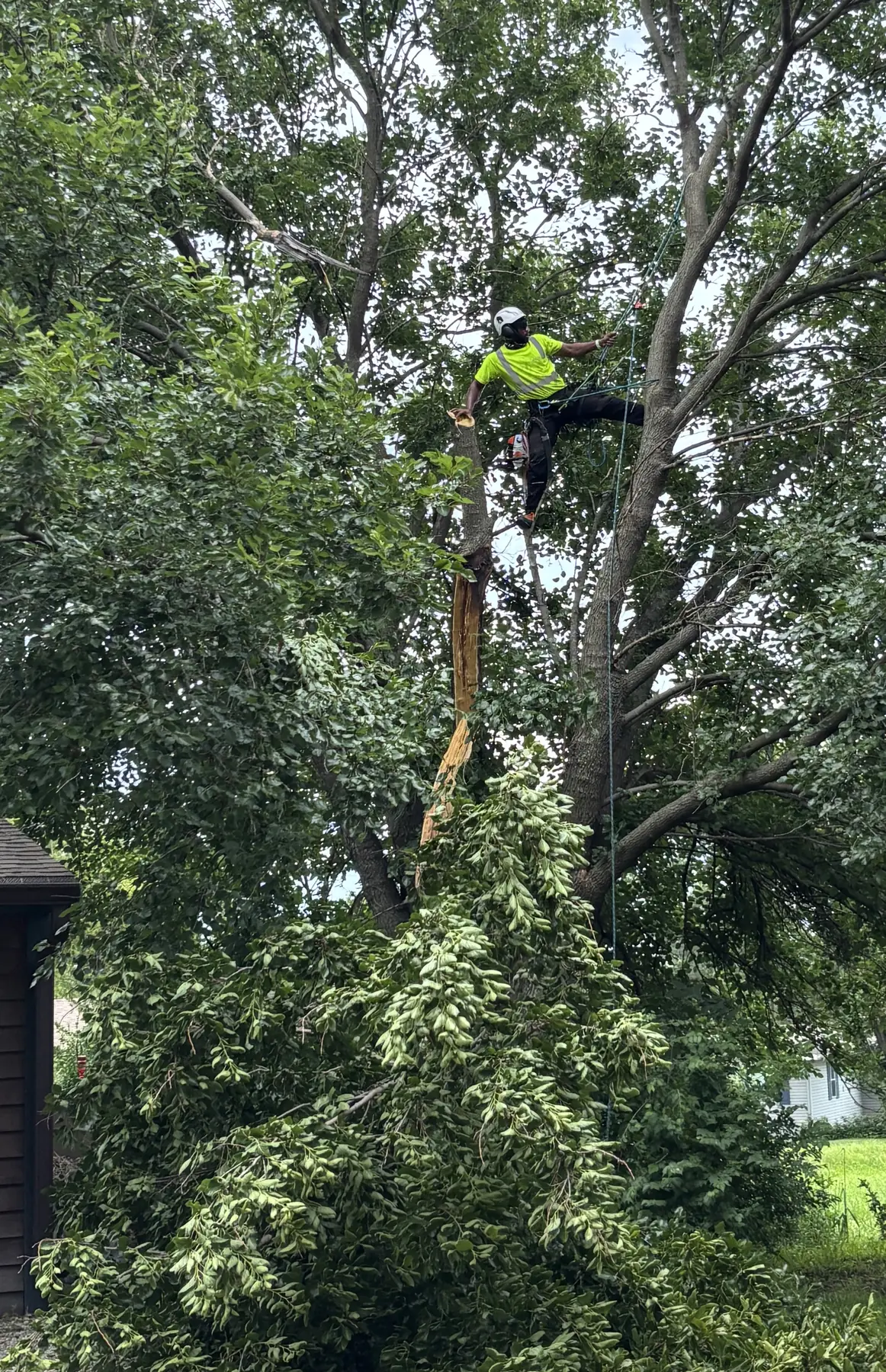
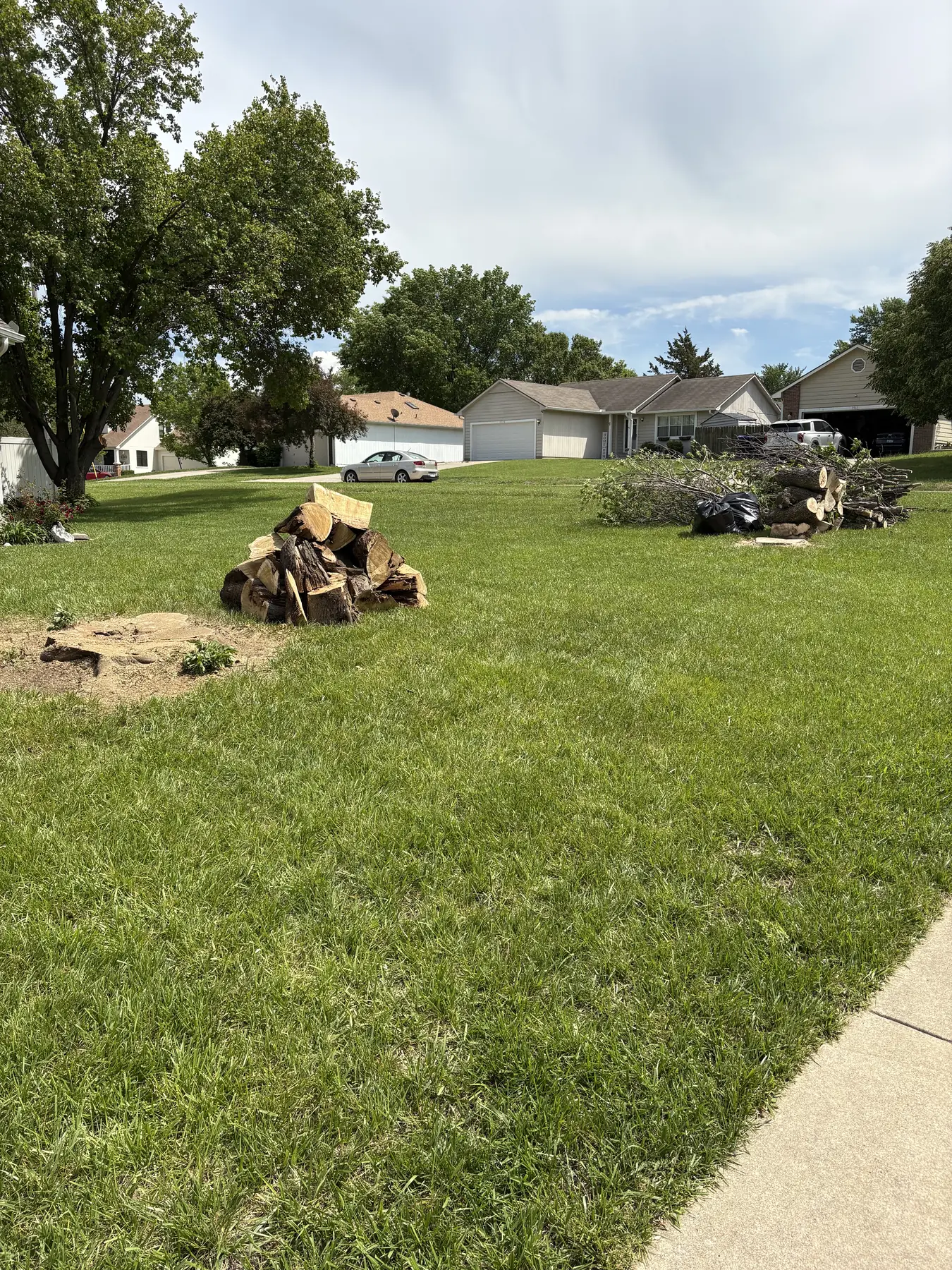
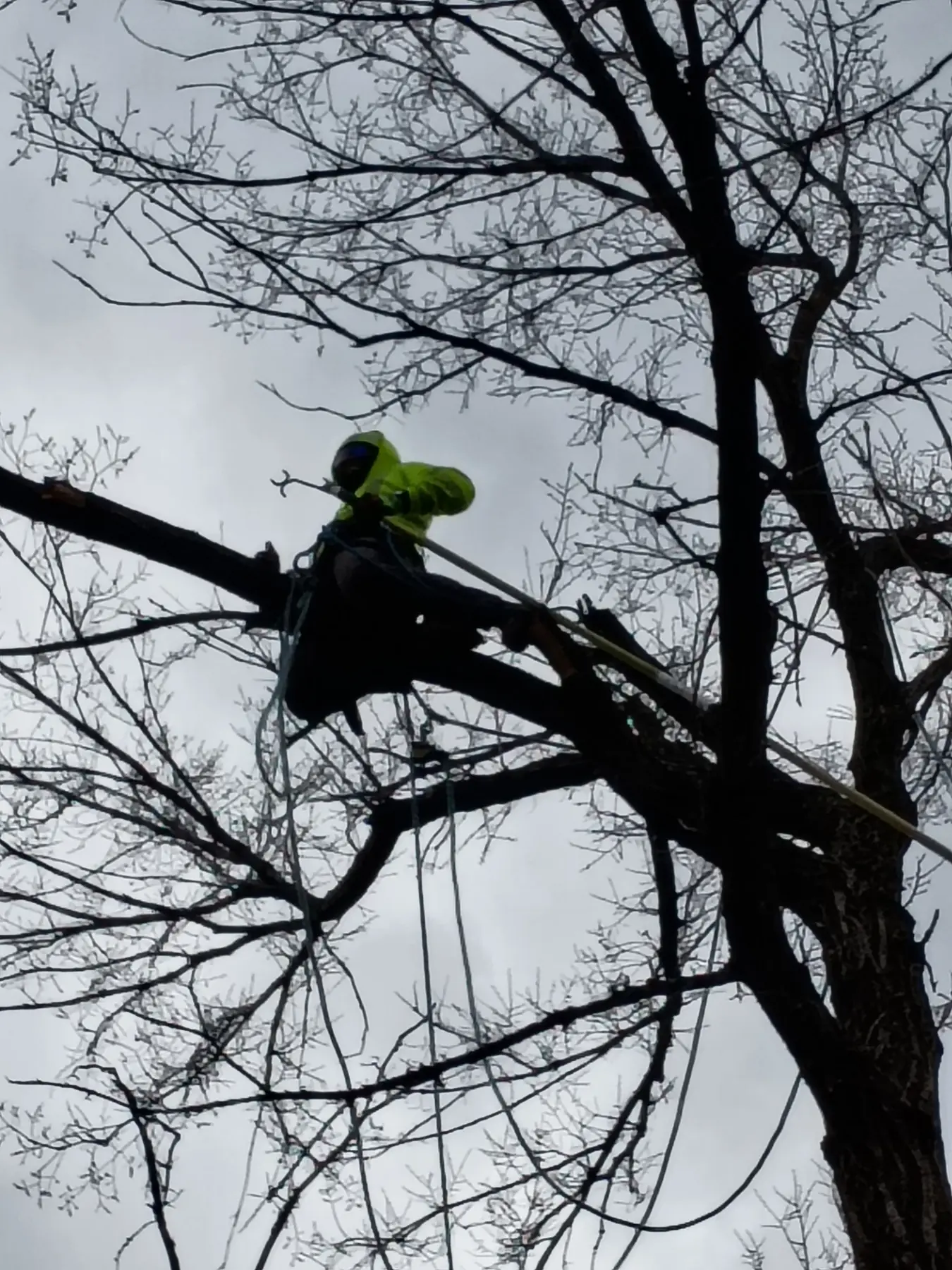
Ask what your property needs →These business-supplied photos show relevant tools, access, conditions, or work stages. Captions do not invent customer locations or project outcomes.
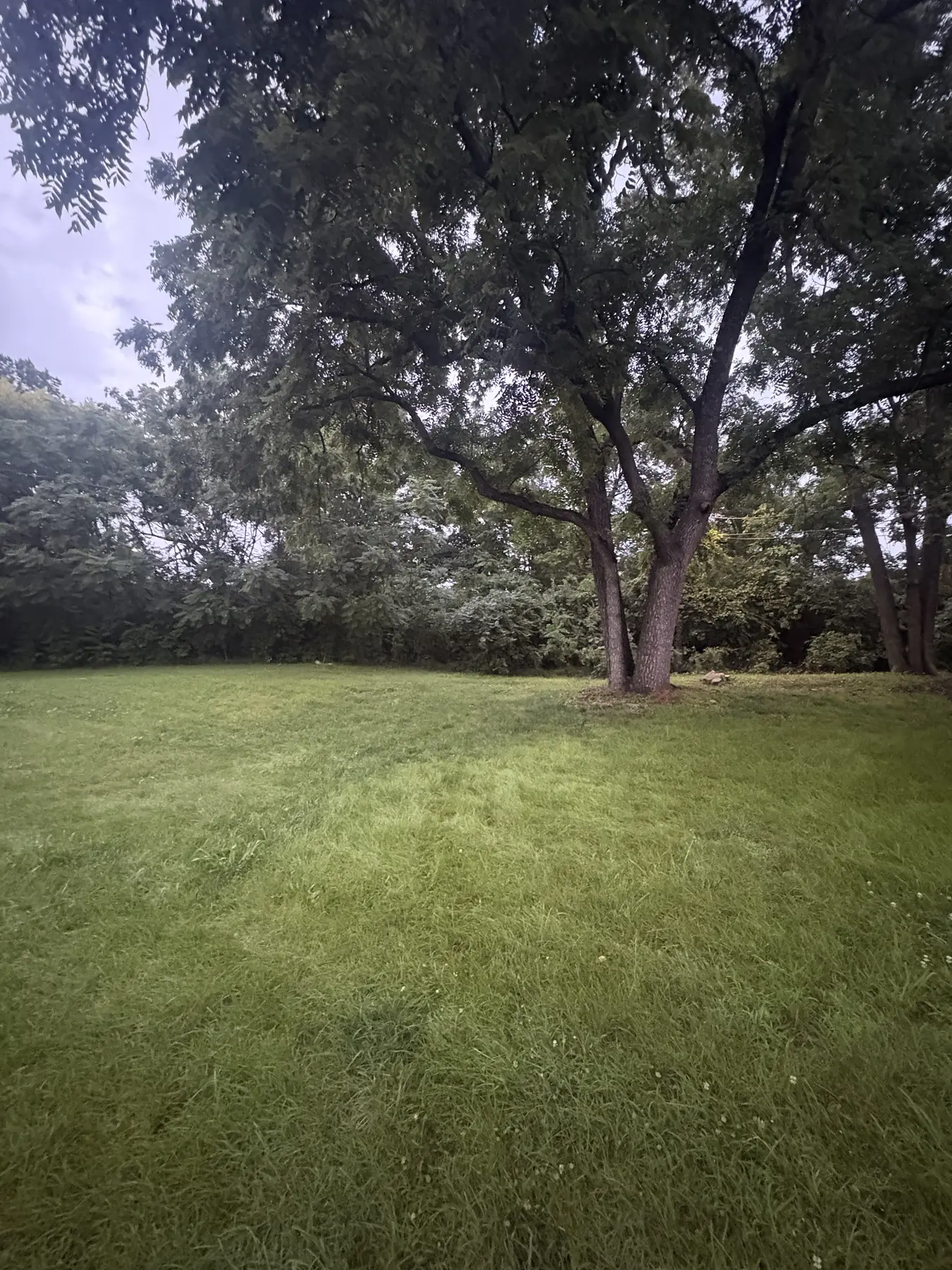
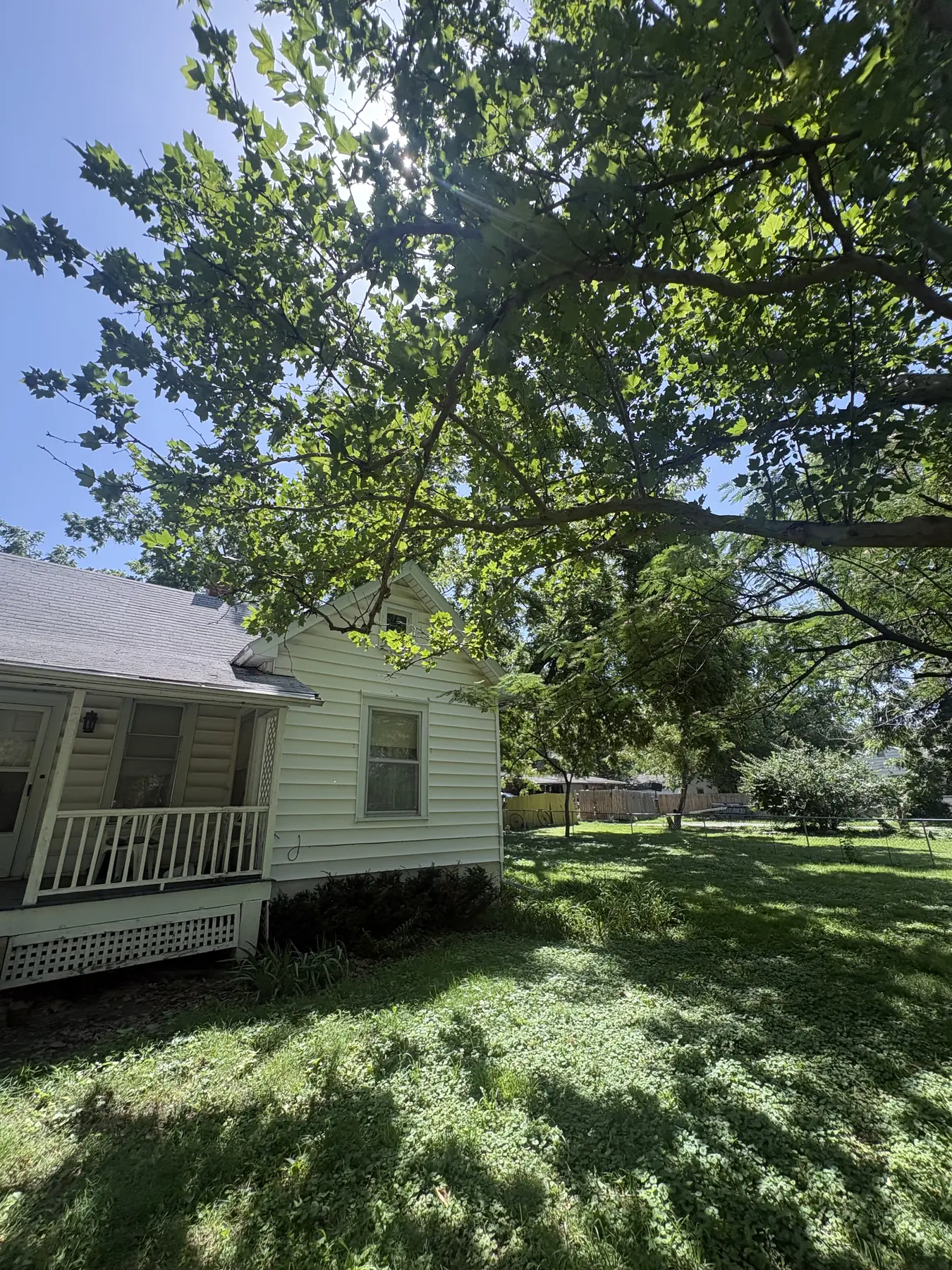
Kansas heat, drought, wind, ice, saturated soil, and rapid temperature shifts can stress trees in different ways. Mulch, mower damage, compaction, drainage, pruning history, and storm exposure all influence what you see from the ground. Sedryck does not claim plant-health-care diagnosis or certified arborist credentials that have not been provided.
Serving Topeka and the listed Kansas communities. Regional availability is confirmed by address, urgency, equipment needs, and project scope.
Clear scope matters more than a generic promise. Ask about the tree, access, equipment, debris, stump, timeline, and next use of the area.
Walk around important trees after major storms and periodically during the year. The right professional review interval depends on tree condition, size, targets, recent changes, and prior failures.
No arborist certification has been provided for this website, so none is claimed. Sedryck offers hands-on tree-service evaluation and work; formal diagnosis, treatment, or written risk assessment may call for a credentialed arborist.
No service can make a tree storm-proof. Selective deadwood removal, clearance, and correction of some defects may reduce predictable conflicts, while severe weather can still cause unexpected failure.
Look for new lean, lifting soil, fresh cracks, hanging branches, large dead limbs, fungal growth, sudden canopy thinning, and new contact with structures or utilities. Keep people away from an active hazard and call for guidance.
Call, text, send photos, or use the quote form. Sedryck will confirm the next useful step and whether an on-site review is needed.