Available day or night
Sedryck takes emergency calls 24/7 and works to understand the hazard, access need, and next safe step.
After wind, ice, or a thunderstorm, the first step is not random cutting. It is controlling access, checking for electrical hazards, identifying suspended wood, and deciding what must be handled now.
Emergency tree service addresses fallen trees, blocked drives, broken or hanging limbs, split stems, and unstable storm damage that threatens people, access, or property. Sedryck Tree Services answers calls 24/7 and can use phone photos, text, or FaceTime to understand the scene before mobilizing when that is practical.
Emergency work can reopen access, remove weight from a structure, secure a damaged tree, clear broken branches, and reduce exposure to additional failure. Some storm-damaged trees can be stabilized or pruned; others have trunk, root, or canopy damage severe enough that removal is the responsible option.
Sedryck takes emergency calls 24/7 and works to understand the hazard, access need, and next safe step.
Electrical contact, suspended branches, structural weight, root movement, and safe approach are considered first.
Calls, texts, photos, and FaceTime can help Sedryck review changing conditions and prepare the response.
Every property is different. Your estimate should identify the exact tree or area, access, method, equipment, debris handling, stump work, exclusions, and finished condition.
Discuss My ProjectSedryck uses calls, texts, photos, and FaceTime when helpful, then confirms whether an on-site review is needed before the work is scheduled.
Describe people at risk, blocked access, structures, hanging limbs, and any wires. Never approach a downed line for a photo.
Sedryck determines whether utility, emergency services, structural help, or tree work must happen first.
Immediate hazards are addressed to scope, followed by cleanup or a plan for remaining tree and stump work.
Fallen trees blocking access · Hanging or broken storm limbs · Split or uprooted trees · Trees resting on structures after utility clearance
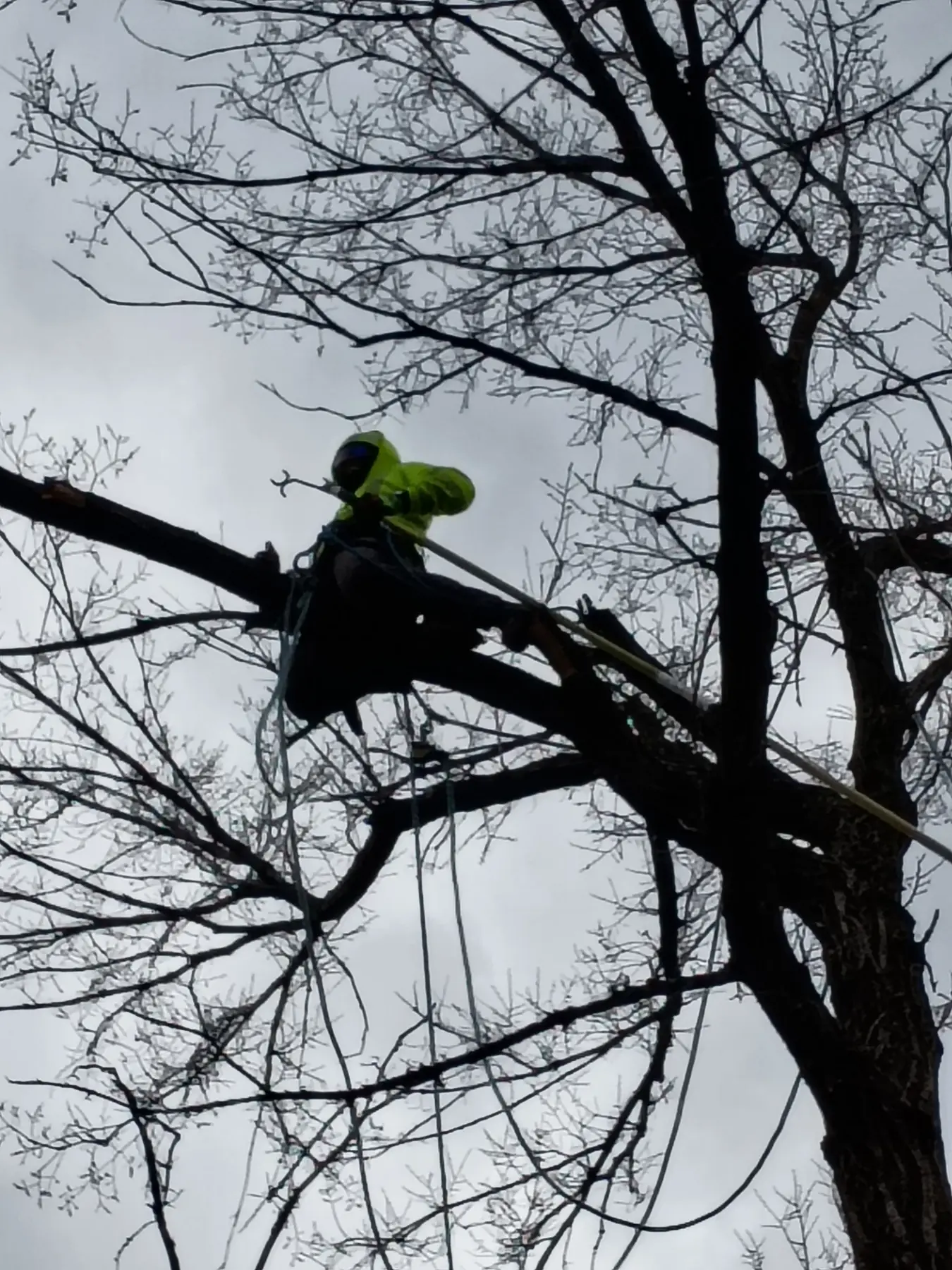
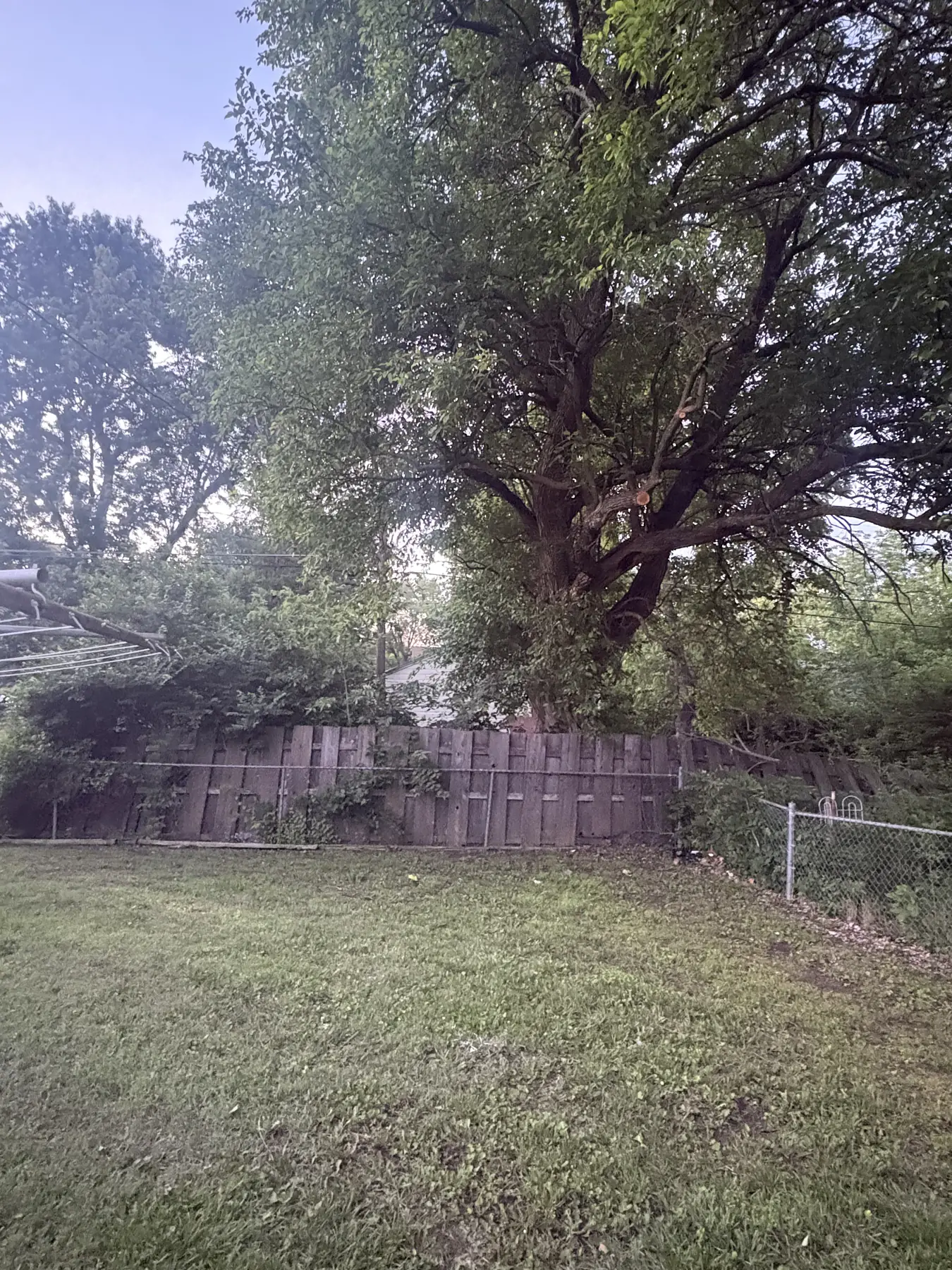
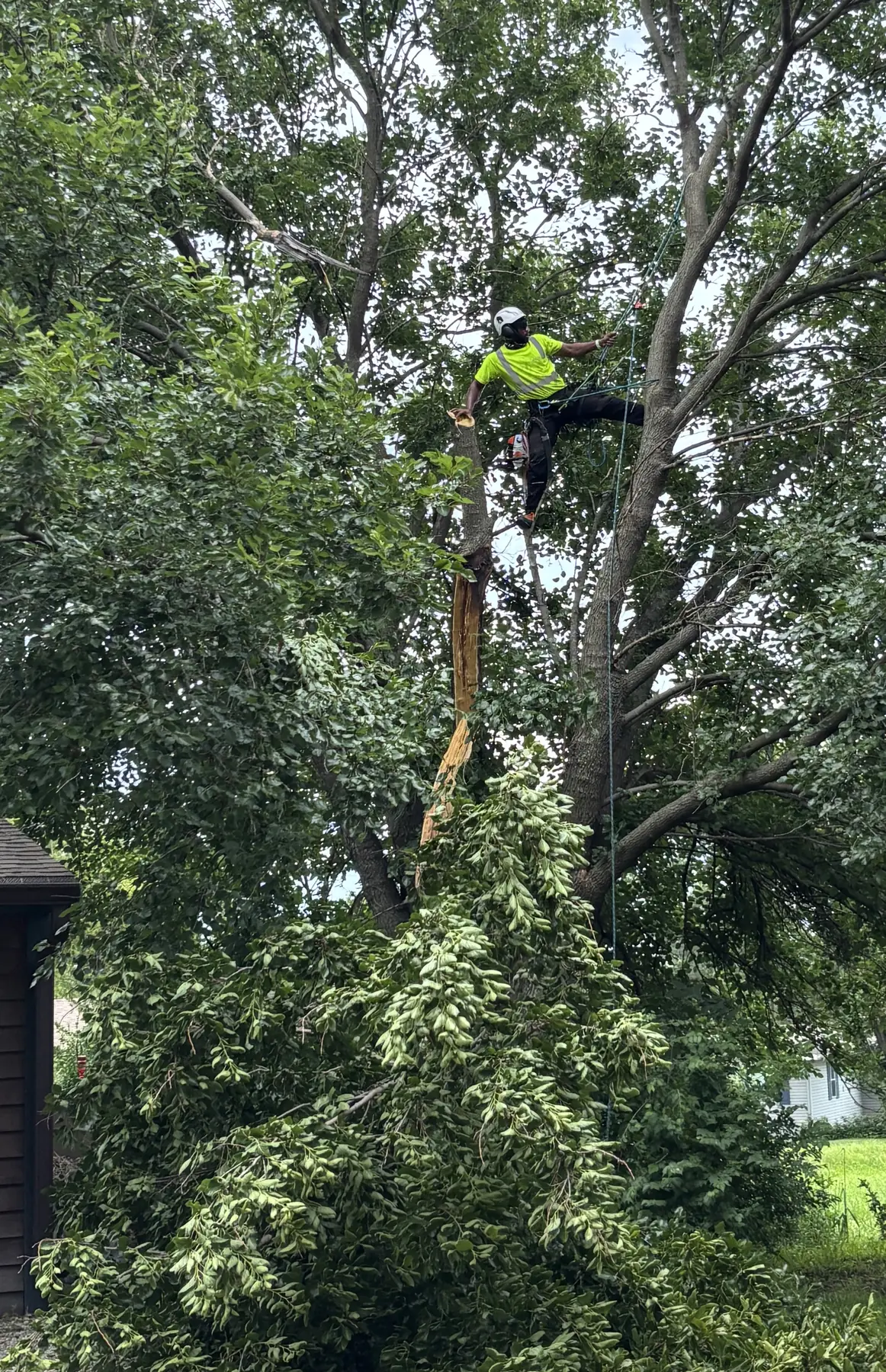
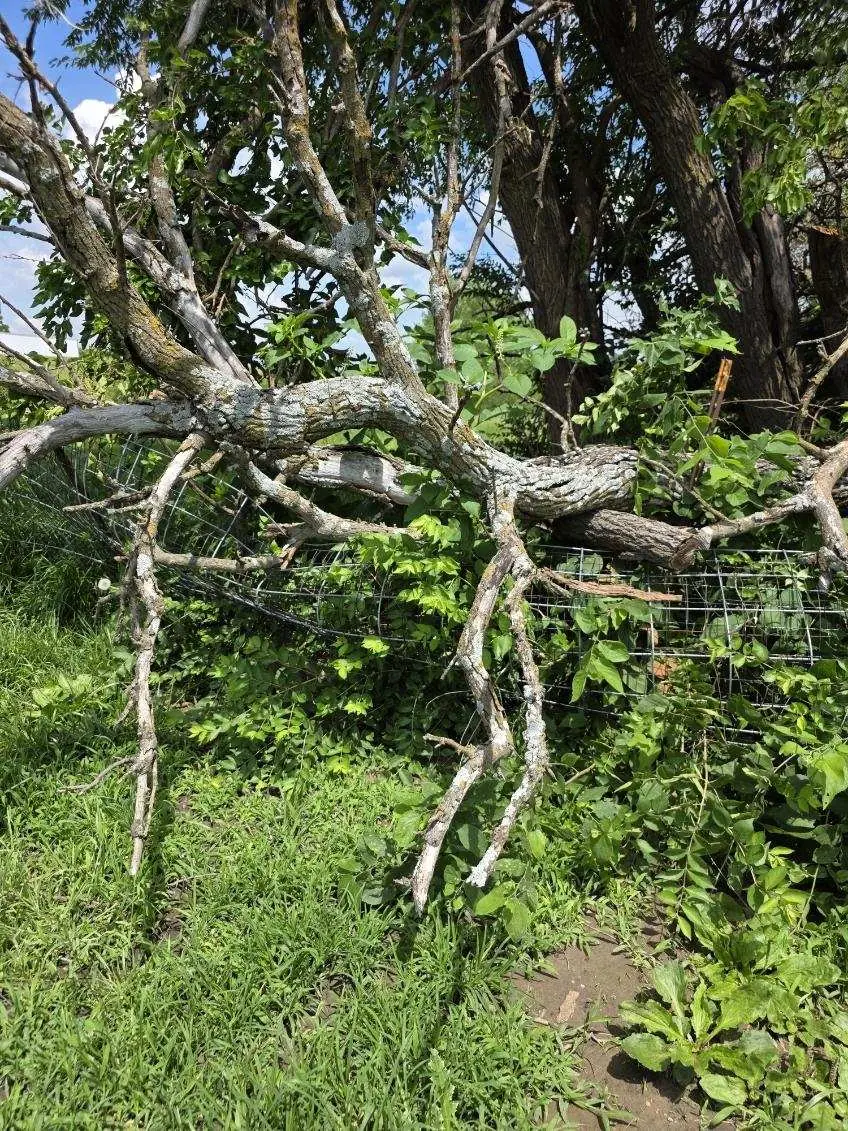
Ask what your property needs →These business-supplied photos show relevant tools, access, conditions, or work stages. Captions do not invent customer locations or project outcomes.
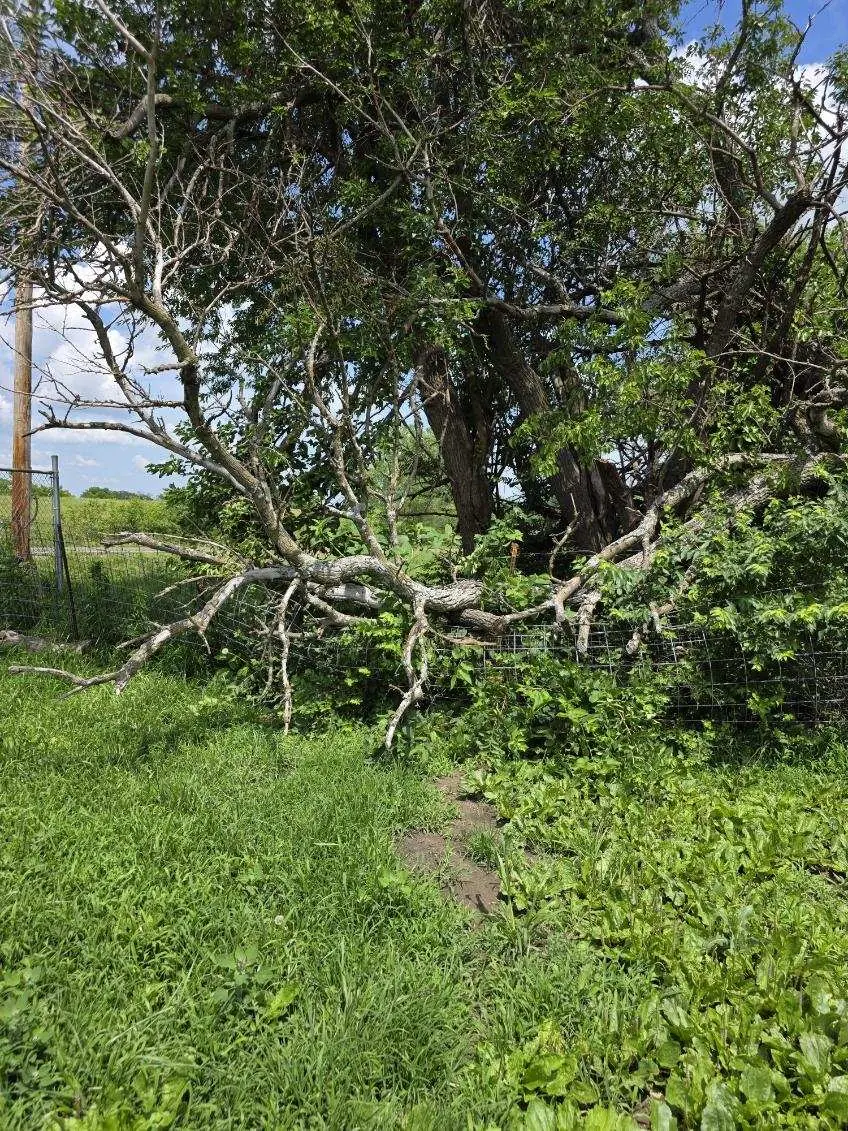
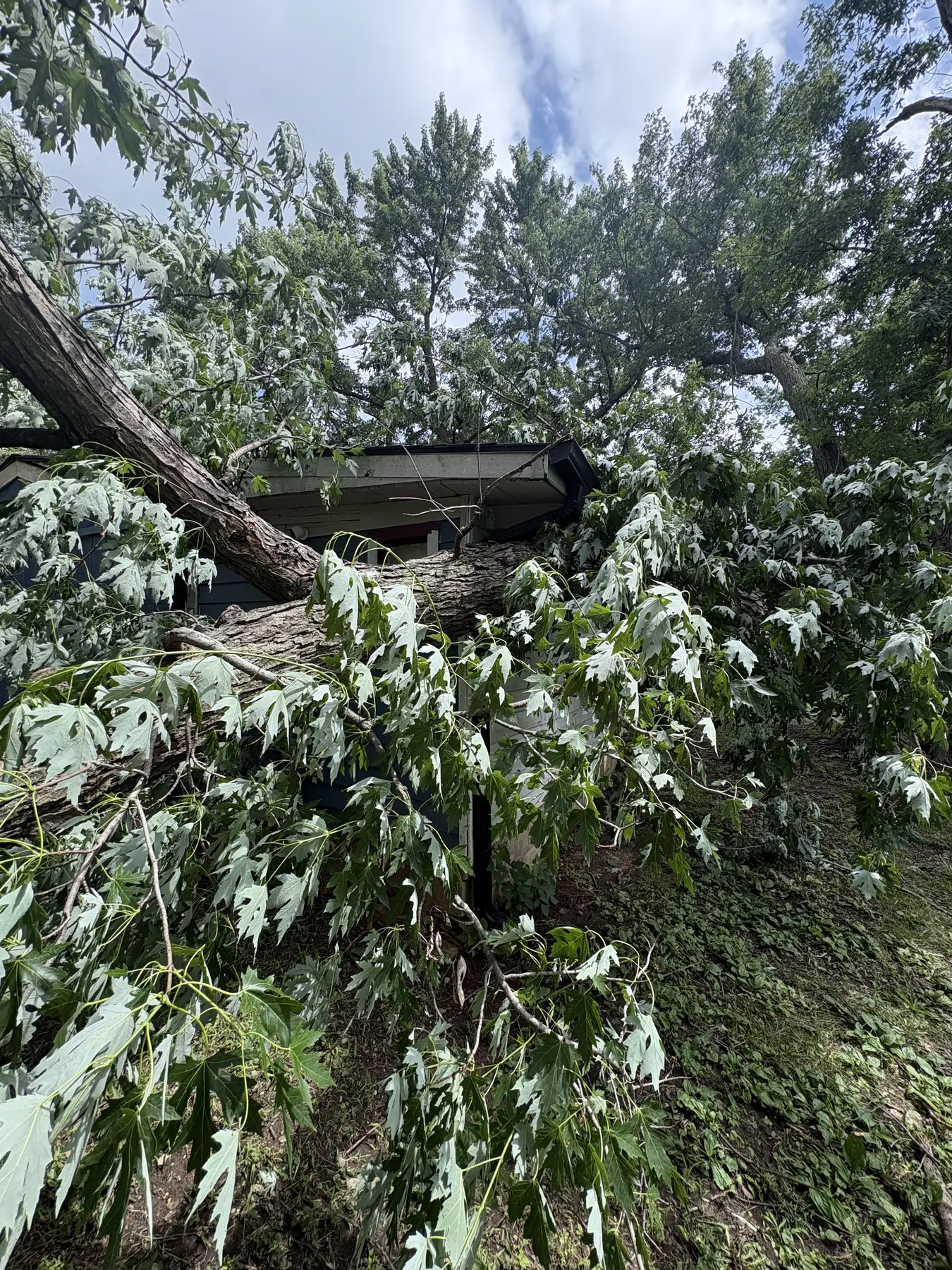
Kansas storms can leave energized lines, hidden tension, split trunks, uprooted root plates, and hanging branches. Stay away from downed wires and anything touching them. Photograph the site from a safe location, keep people out of the drop zone, and let the utility address electrical hazards before ordinary tree cleanup begins.
Serving Topeka and the listed Kansas communities. Regional availability is confirmed by address, urgency, equipment needs, and project scope.
Clear scope matters more than a generic promise. Ask about the tree, access, equipment, debris, stump, timeline, and next use of the area.
Stay well away and contact the electric utility or emergency services. Do not touch the tree, branch, fence, vehicle, or equipment near the line. Tree work should begin only after the electrical hazard is controlled by the appropriate provider.
Yes. Sedryck Tree Services is available 24/7. Night response depends on the hazard, safe visibility, weather, access, and whether other responders or utilities must act first.
Photos, video, text, or FaceTime can help Sedryck understand the scene and prepare, but they may not reveal trunk splits, root movement, suspended wood, or access limits. An on-site review may still be required.
No. The decision depends on trunk and root damage, canopy loss, remaining structure, targets, species, and future risk. Some trees can be pruned; severely split or uprooted trees may not be reasonable to retain.
Call, text, send photos, or use the quote form. Sedryck will confirm the next useful step and whether an on-site review is needed.