Plan around the targets
Roofs, fences, sheds, landscaping, driveways, and utility locations are identified before the removal method is chosen.
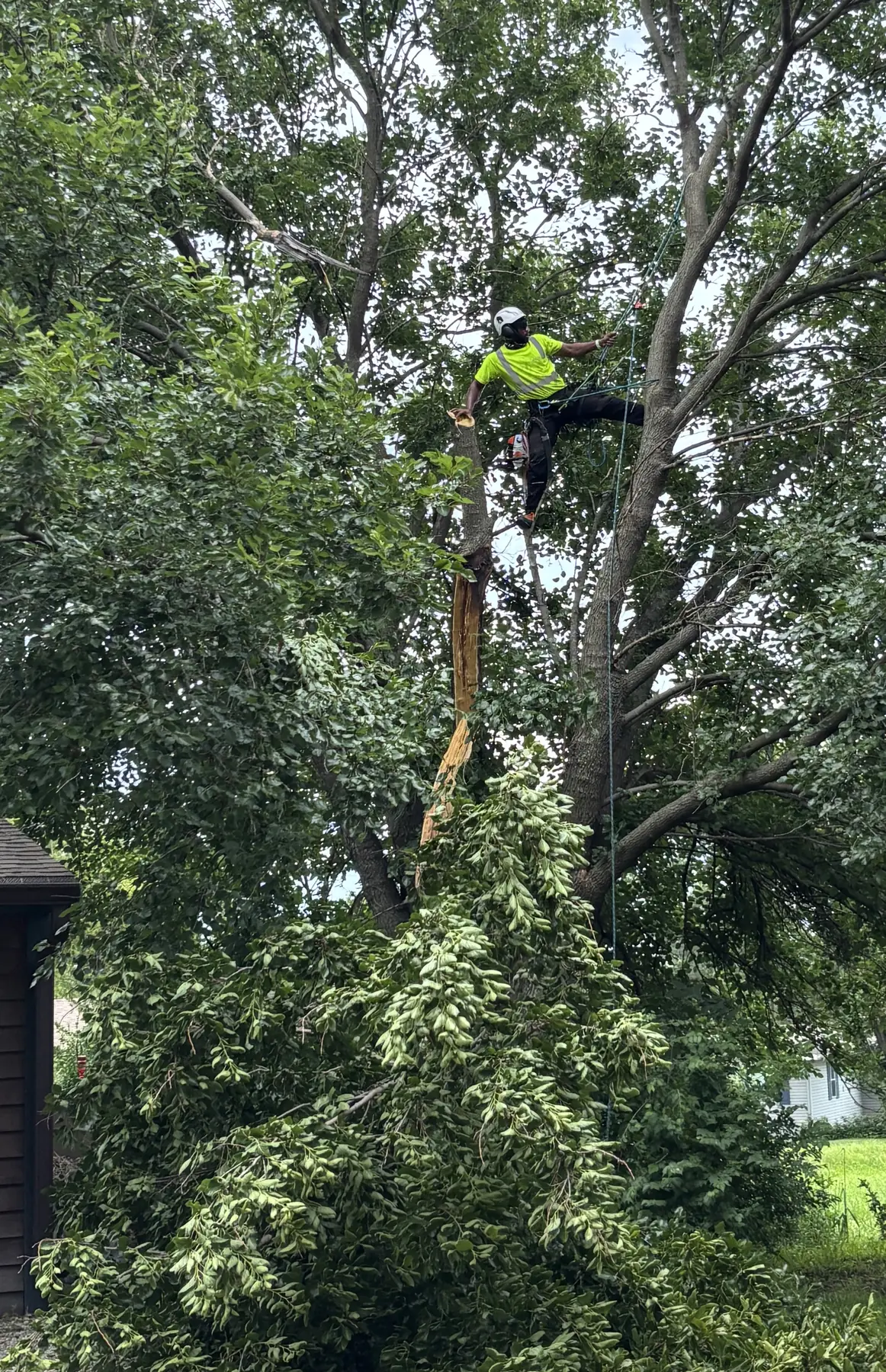
When a tree has to come down, the plan should account for what is below it, how each section will move, where equipment can sit, and what happens to the debris and stump.
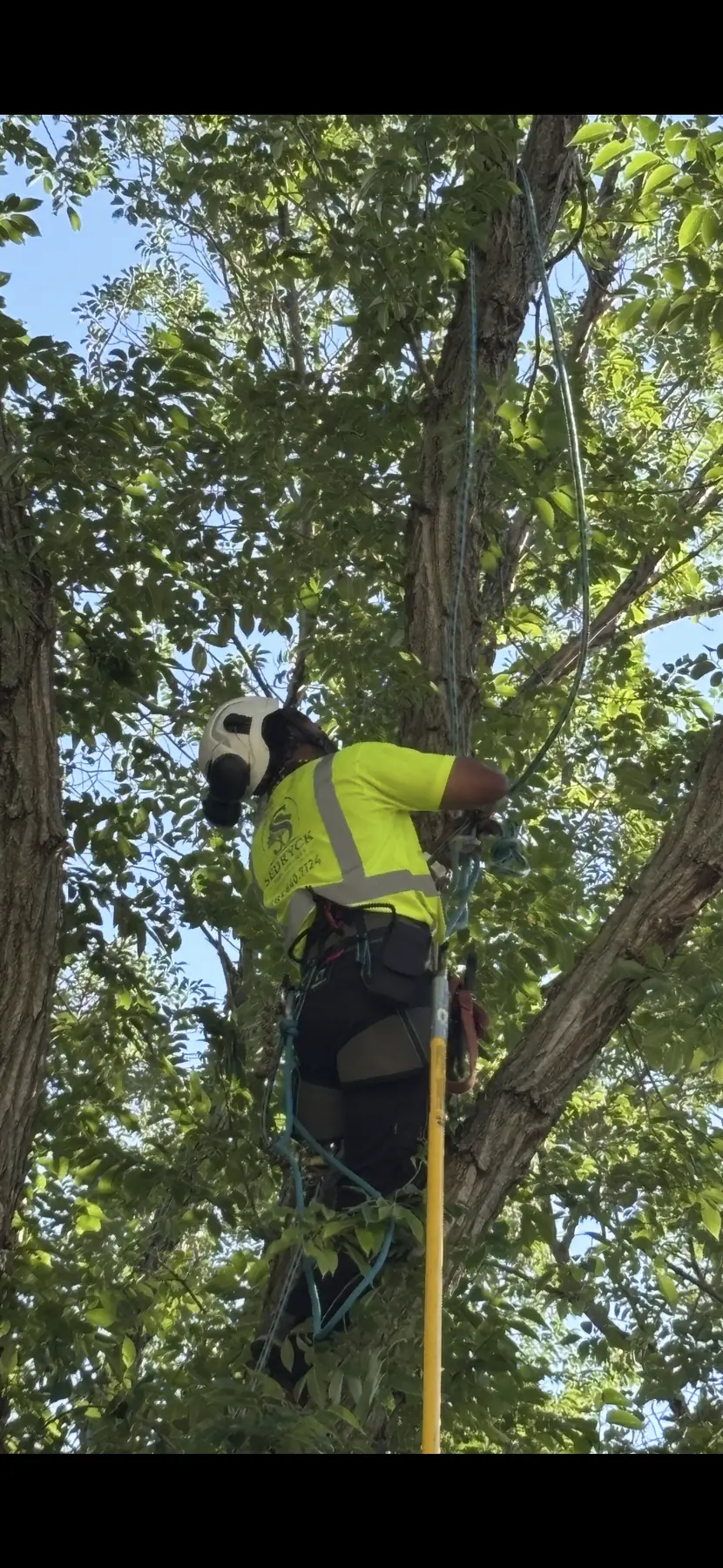
Tree removal is the controlled dismantling or felling of a tree that cannot remain in its current location. Sedryck Tree Services plans the work around the tree's size, lean, condition, nearby structures, ground access, and cleanup goals. Tight spaces may call for sectional removal and rigging; open areas may allow a different approach.
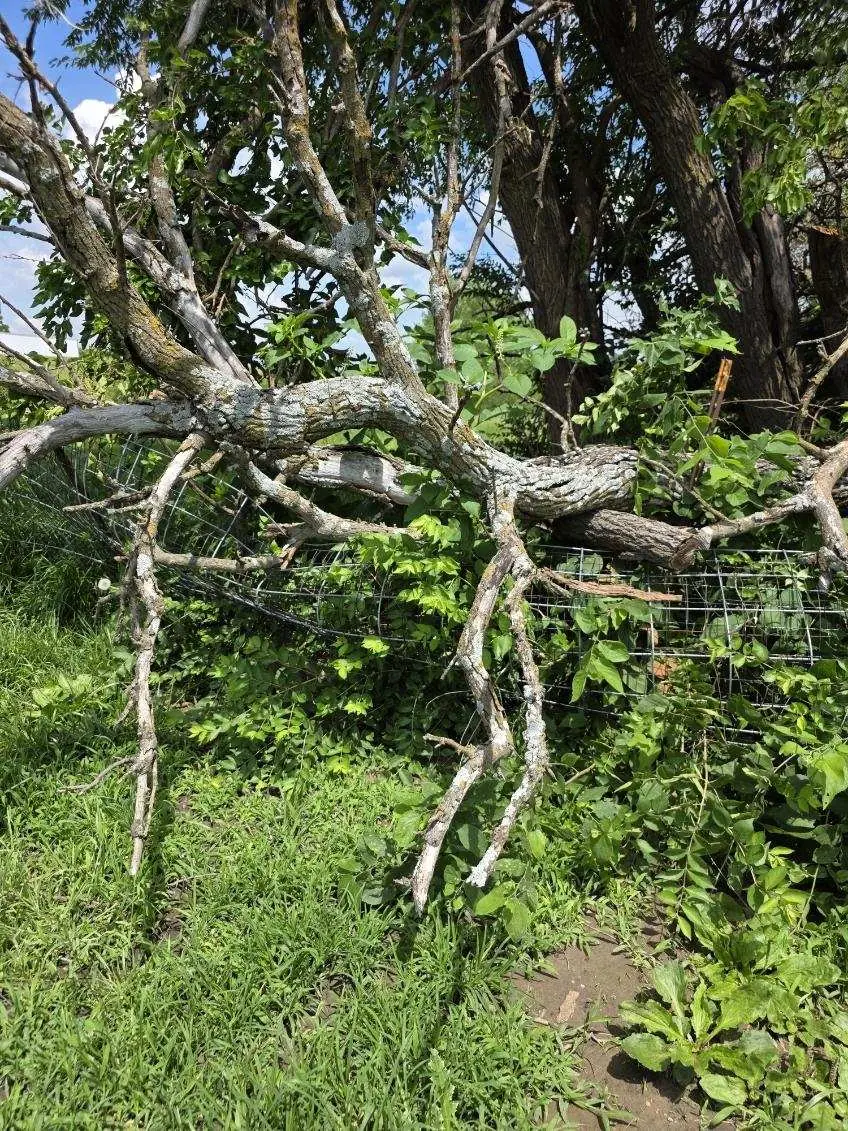
Removal can resolve a dead or declining tree, severe storm damage, unstable lean, construction conflict, repeated large-limb failure, or an unwanted tree that blocks the property's next use. A site review is the right place to separate an urgent hazard from a tree that may only need selective pruning.
Roofs, fences, sheds, landscaping, driveways, and utility locations are identified before the removal method is chosen.
The tree, gate width, slope, ground firmness, and debris path shape the equipment plan.
Cut height, hauling, wood placement, rake-up, and optional stump work belong in the estimate scope.
Every property is different. Your estimate should identify the exact tree or area, access, method, equipment, debris handling, stump work, exclusions, and finished condition.
Discuss My ProjectSedryck uses calls, texts, photos, and FaceTime when helpful, then confirms whether an on-site review is needed before the work is scheduled.
Sedryck looks at lean, visible defects, targets, access, utilities, ground conditions, and your cleanup goals.
Equipment is positioned, exclusion areas are established, and sections are removed in a planned sequence.
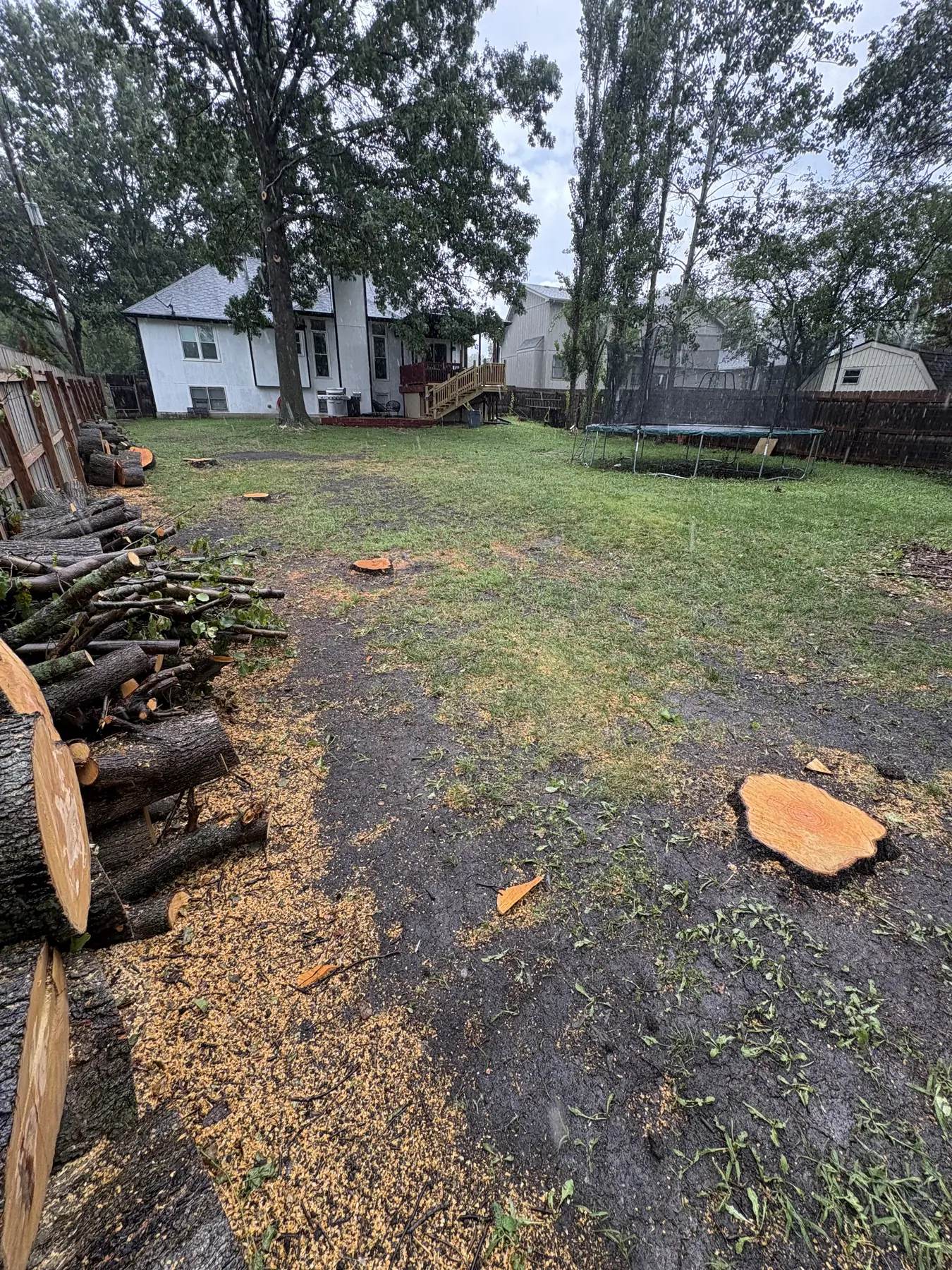
Debris, wood, stump height, and site cleanup are handled according to the estimate.
Dead or severely declining trees · Trees with unrecoverable storm damage · Leaning trees near structures · Construction and landscape changes
Ask what your property needs →These business-supplied photos show relevant tools, access, conditions, or work stages. Captions do not invent customer locations or project outcomes.
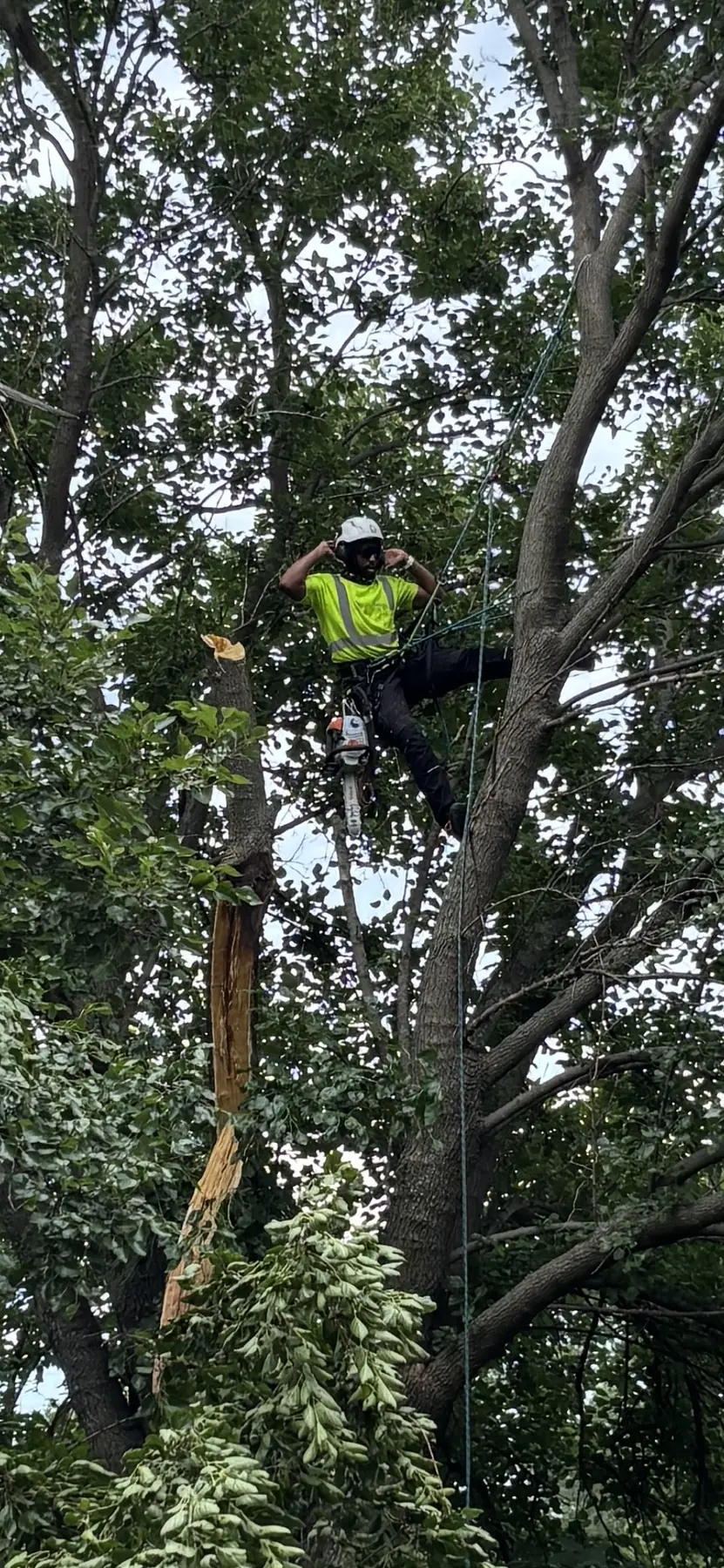
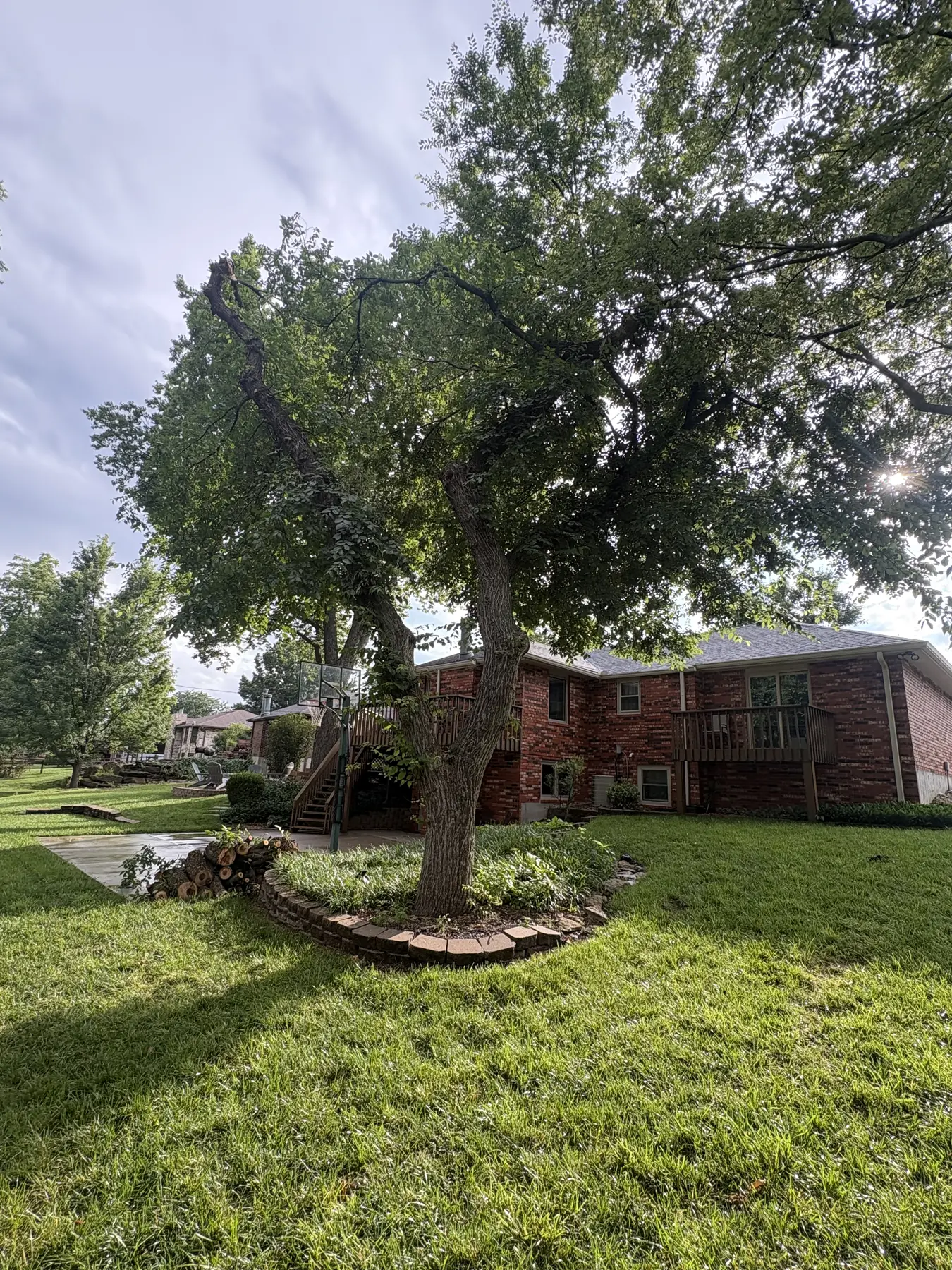
Topeka-area wind, thunderstorms, ice, and soil movement can expose weak unions, root problems, or prior damage. Large shade trees often share space with homes, drives, fences, overhead service lines, and neighboring property, so the work zone and drop zone must be planned before cutting begins.
Serving Topeka and the listed Kansas communities. Regional availability is confirmed by address, urgency, equipment needs, and project scope.
Clear scope matters more than a generic promise. Ask about the tree, access, equipment, debris, stump, timeline, and next use of the area.
The main factors are tree size and condition, lean, nearby targets, access, rigging needs, equipment, debris volume, stump work, and travel. Photos or a video call can start the conversation, but some trees need an on-site review before the scope is confirmed.
Yes, when stump grinding or full stump removal is included in the scope. The best option depends on whether you want to mow, replant, build, grade, or simply eliminate the visible stump.
Branches can be chipped and wood can be hauled, cut to agreed lengths, or left in a designated area. The estimate should state exactly what stays and what leaves.
Many close-quarters removals can be completed in sections with controlled rigging. Sedryck must review the tree, targets, access, and equipment setup before confirming the method.
Call, text, send photos, or use the quote form. Sedryck will confirm the next useful step and whether an on-site review is needed.