Choose the right depth
A lawn repair, garden bed, fence, and building project may each require a different finish.
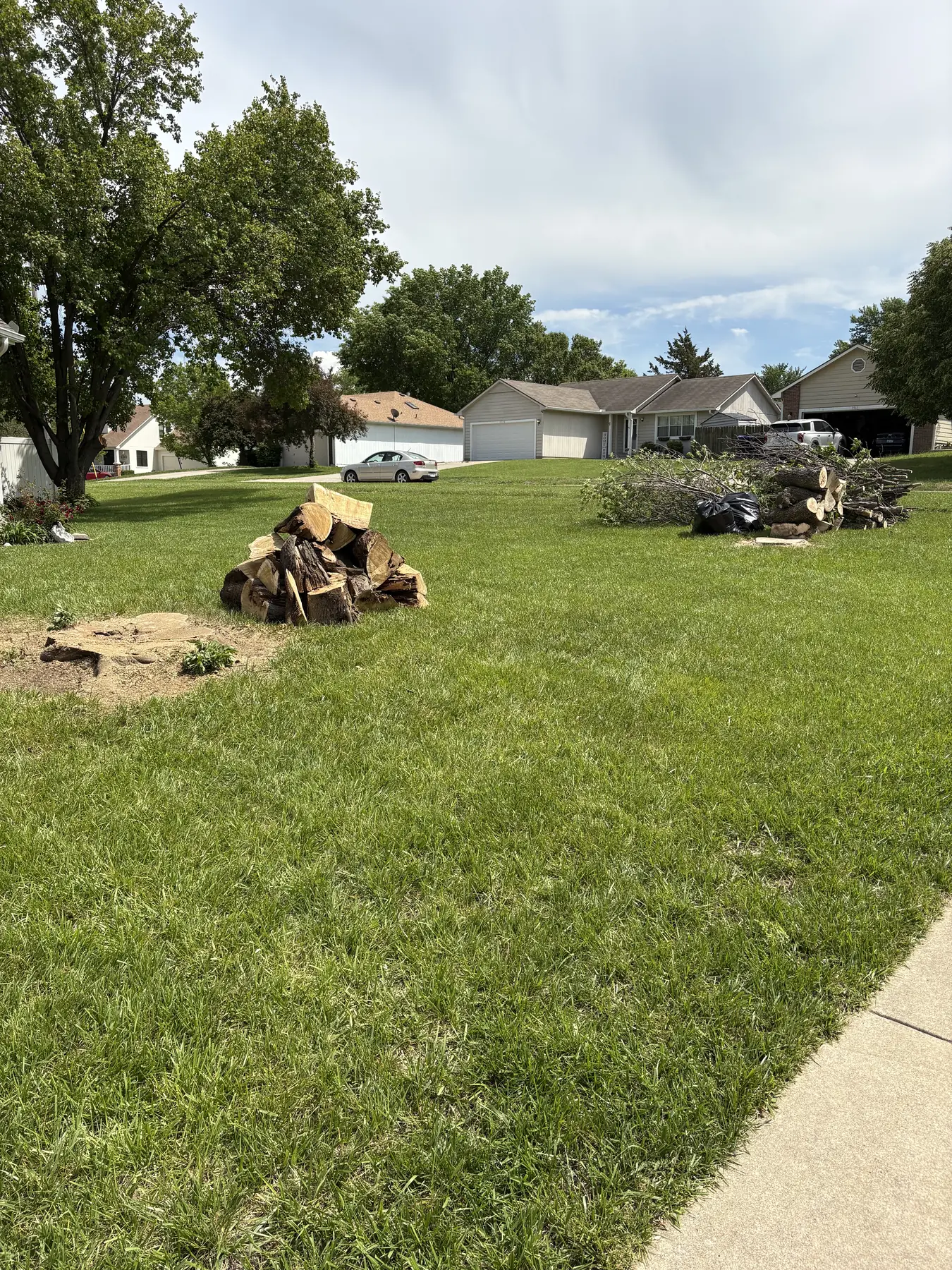
A stump can block mowing, planting, grading, fencing, and new construction. Grinding reduces it below grade; full removal addresses more of the root mass when the next use requires it.
Stump grinding uses a guarded cutting wheel to turn the visible stump and selected surface roots into chips below the surrounding grade. Full stump removal is a more disruptive excavation that may be appropriate where roots conflict with excavation, foundations, hardscape, or a specific construction plan. Sedryck helps match the finish to what you want to do next.
Stump work removes a trip and mowing obstacle, opens a planting or lawn area, improves access, and prepares space for fences, grading, or construction. Grinding does not remove every underground root, and some species may send up sprouts that require follow-up control.
A lawn repair, garden bed, fence, and building project may each require a different finish.
Known utilities, irrigation, septic, wire, rocks, and metal must be discussed before cutting begins.
Chips may be left, spread, hauled, or partly used as backfill according to the estimate.
Every property is different. Your estimate should identify the exact tree or area, access, method, equipment, debris handling, stump work, exclusions, and finished condition.
Discuss My ProjectSedryck uses calls, texts, photos, and FaceTime when helpful, then confirms whether an on-site review is needed before the work is scheduled.
Sedryck asks whether the area will become lawn, landscape, fence line, driveway, or a construction zone.
Utilities and site features are reviewed, barriers are set, and the grinder is positioned.
The stump is reduced or removed, then chips, hole, and rough grade are finished as agreed.
Post-removal lawn repair · Fence and landscape changes · Trip and mowing obstacles · Construction or grading preparation
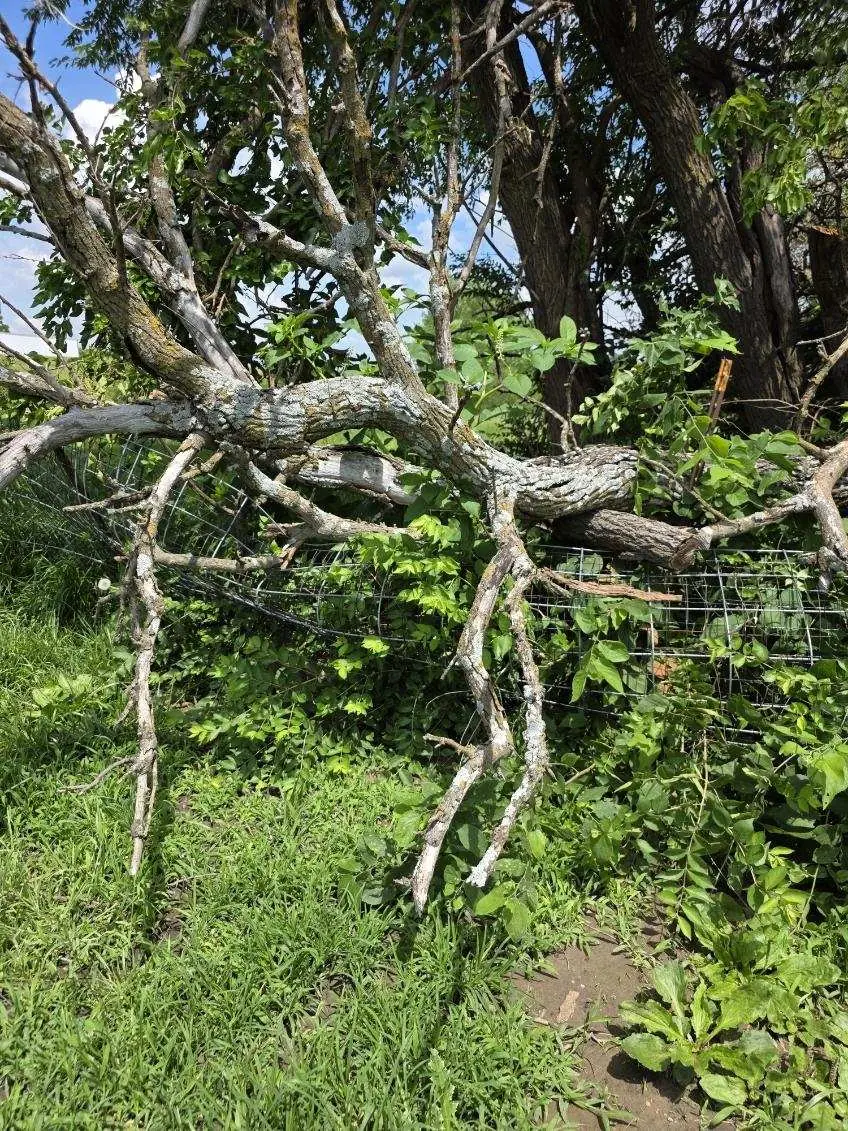
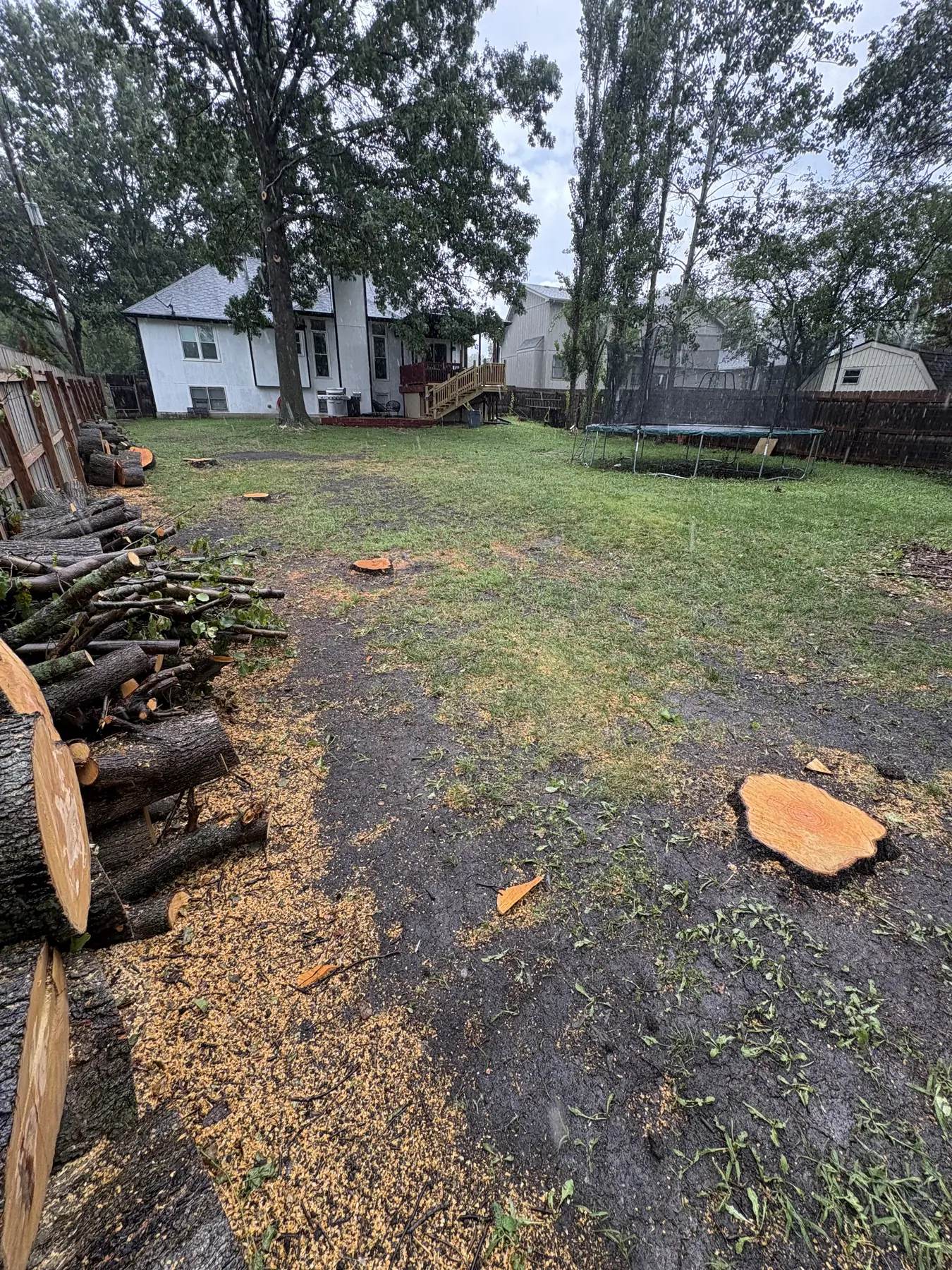
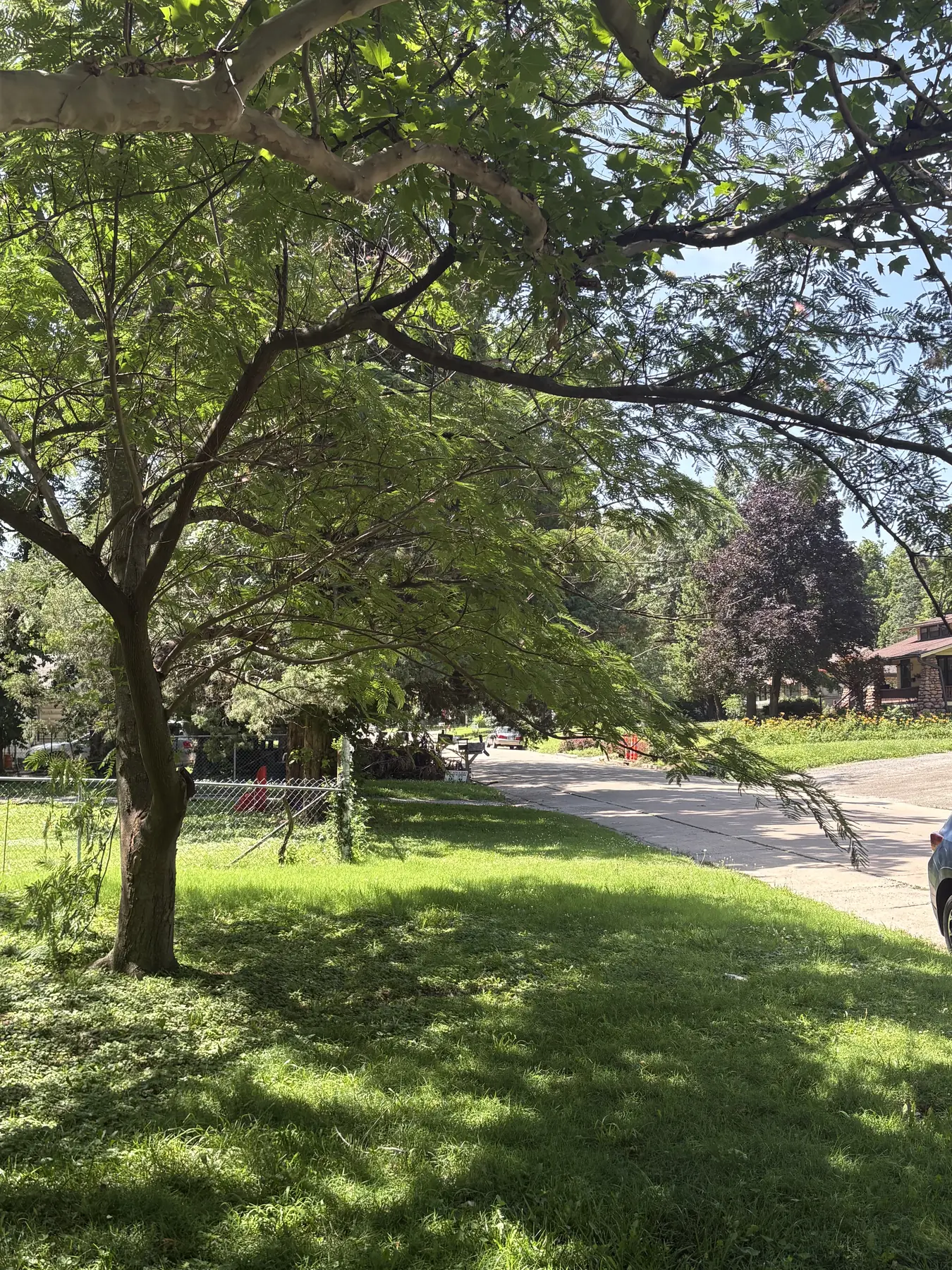
Ask what your property needs →These business-supplied photos show relevant tools, access, conditions, or work stages. Captions do not invent customer locations or project outcomes.
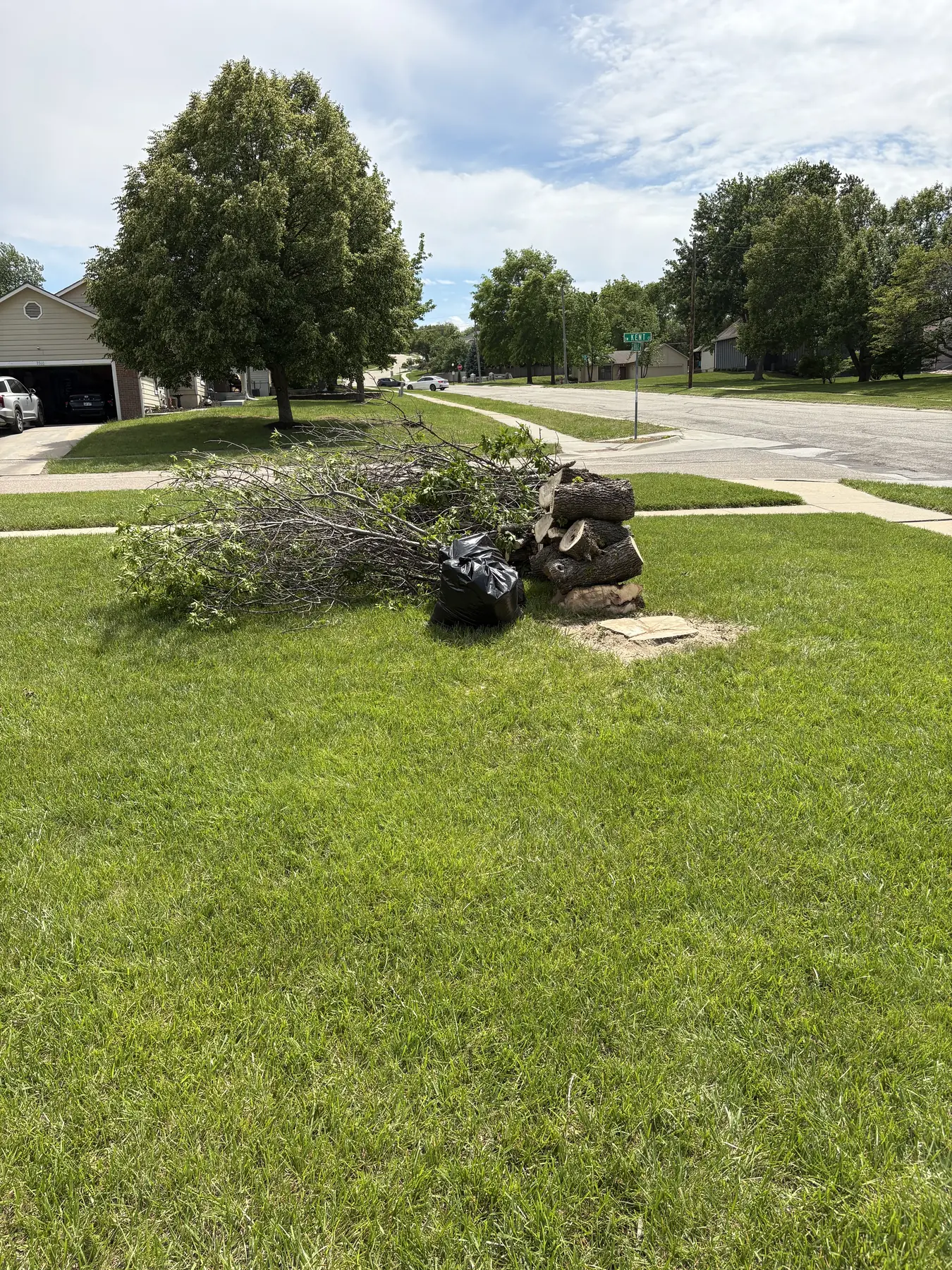
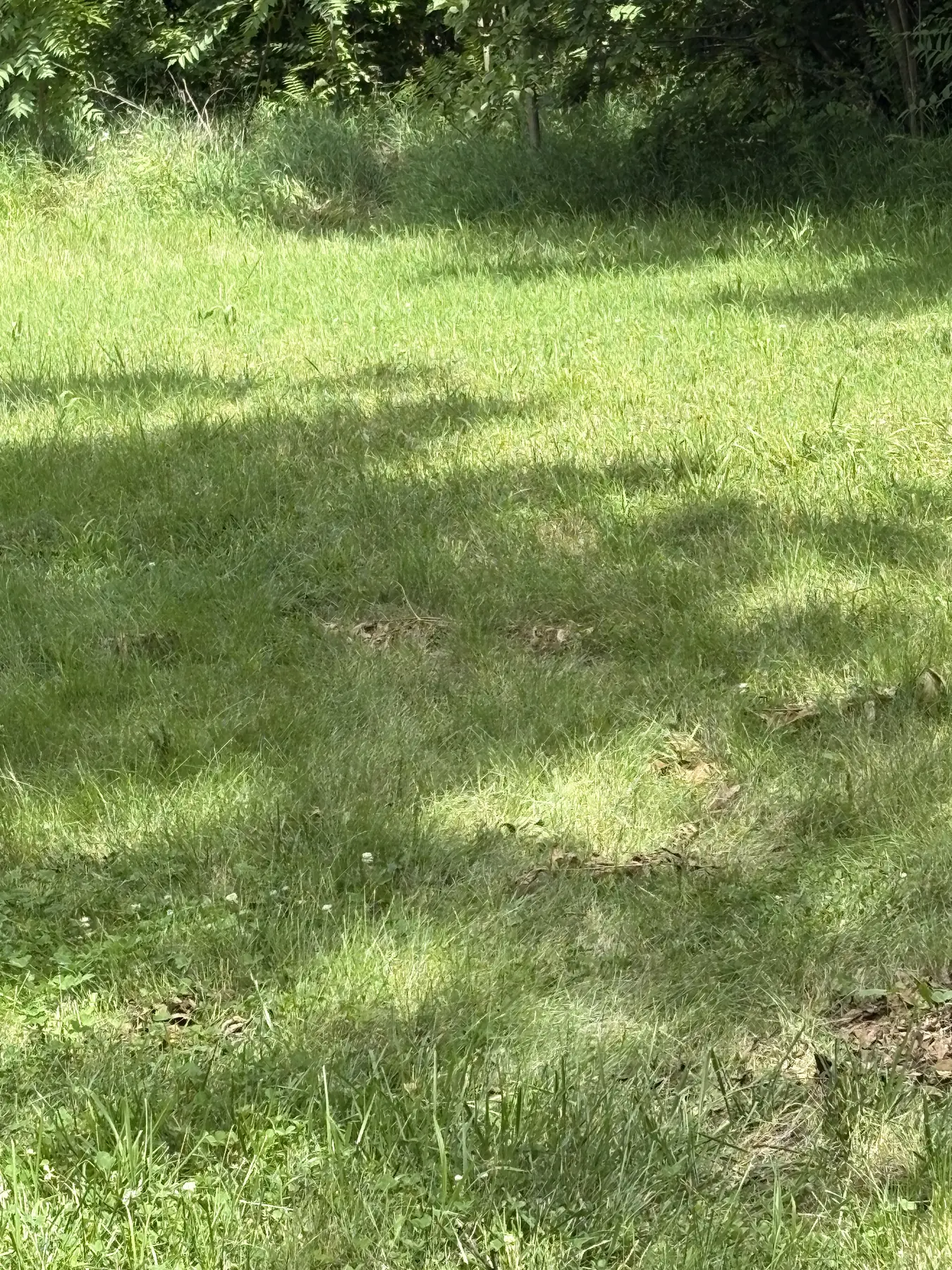
Utility lines, irrigation, drainage, septic components, hidden metal, rocks, slope, and machine access all matter before grinding. In Kansas soils, the final mix of chips and soil may settle; the estimate should explain grind depth, backfill, chip handling, and whether topsoil or seeding is included.
Serving Topeka and the listed Kansas communities. Regional availability is confirmed by address, urgency, equipment needs, and project scope.
Clear scope matters more than a generic promise. Ask about the tree, access, equipment, debris, stump, timeline, and next use of the area.
Depth depends on the grinder, stump, roots, hidden conditions, and your next use. Sedryck will define the intended depth and footprint in the estimate instead of relying on a one-size-fits-all number.
No. Grinding removes the stump and selected accessible roots within the agreed area. Most underground roots remain and gradually decay.
Some species can sprout from remaining roots or the stump area. Species, condition, and how completely the stump is addressed affect the chance of regrowth.
Chip removal can be included. Because a stump often creates more chips than expected, the proposal should say whether material is left, spread, hauled, or used as partial backfill.
Call, text, send photos, or use the quote form. Sedryck will confirm the next useful step and whether an on-site review is needed.